Teaching Learning & Evaluation

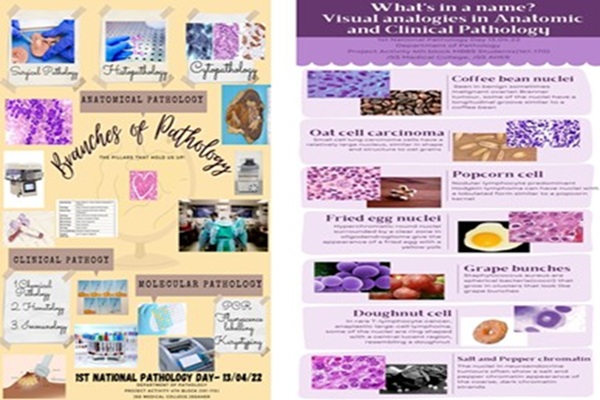
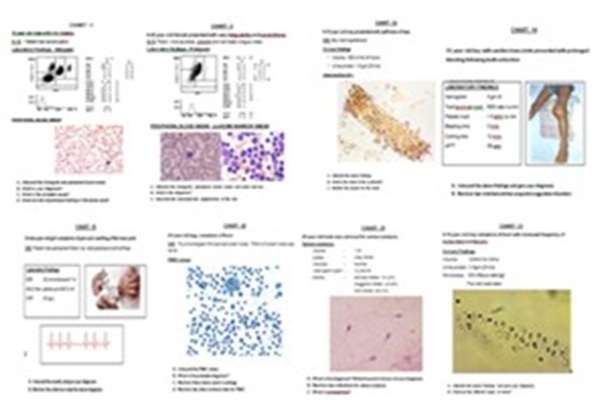
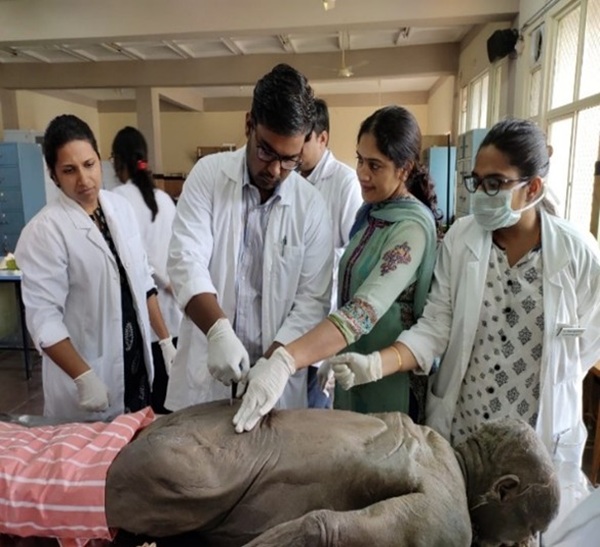
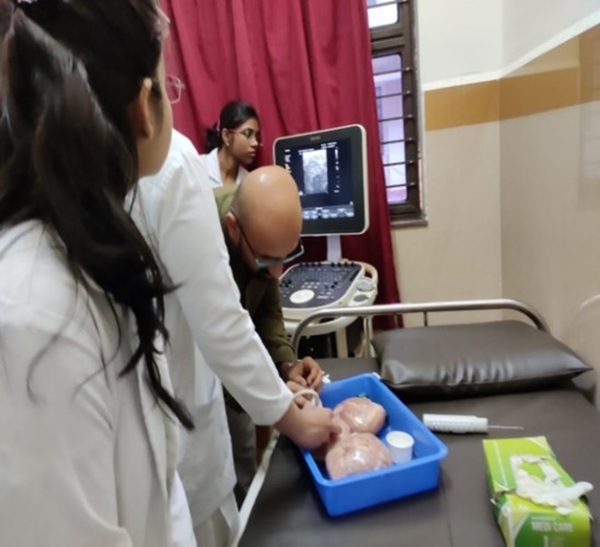
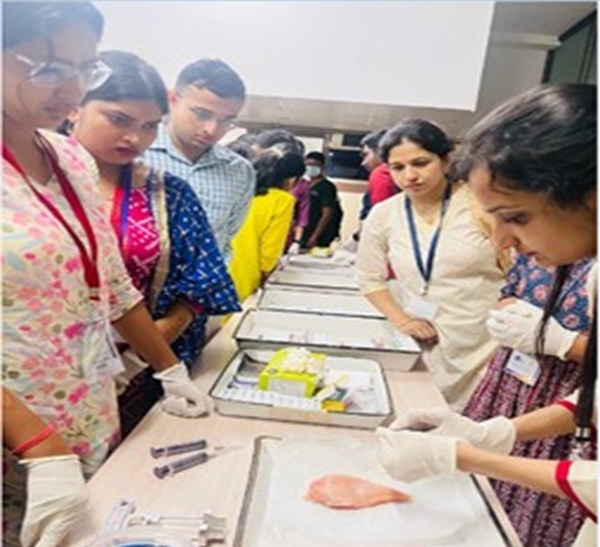
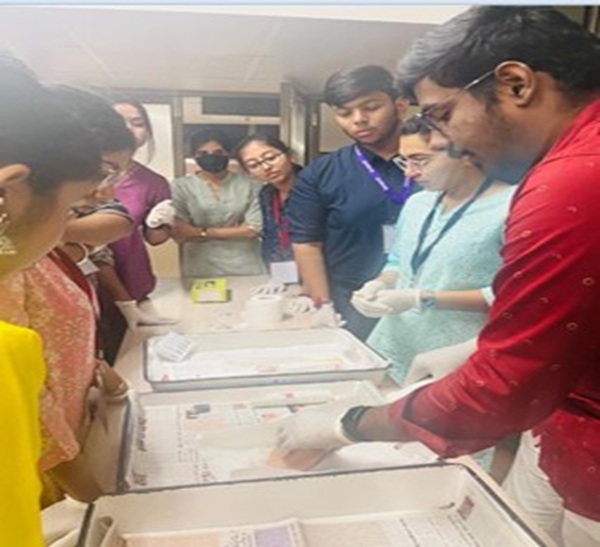
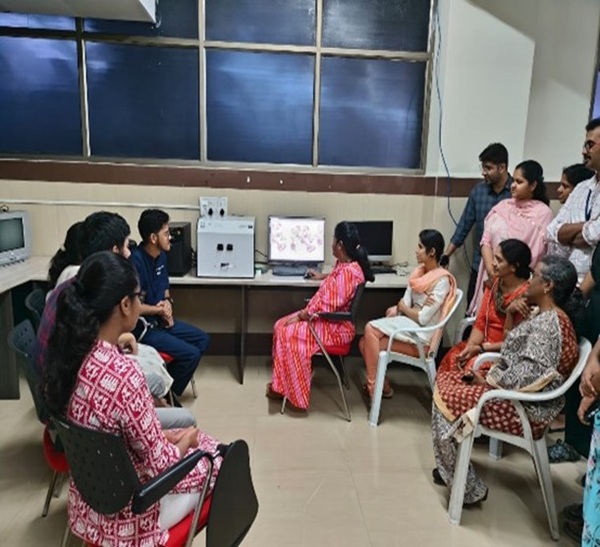
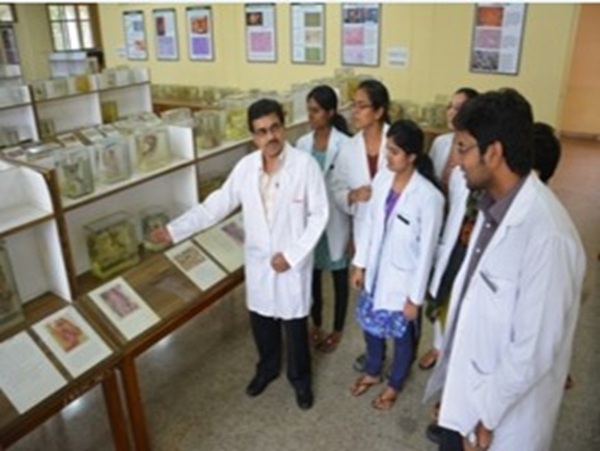
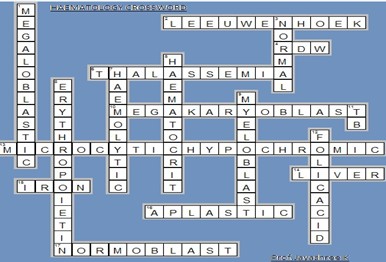
Since, pathology touches virtually every part of a physician’s education - basic science, classroom training and patient care, undergraduate medical students now no longer take a stand-alone course in pathology in their second year, but study pathology as part of an integrated, systems-based curriculum. They can also take an elective in pathology and seek one-on-one mentorship with pathologists - especially if they are planning on specializing in pathology. Besides classroom and laboratory training, students can take part in small group sessions and have access to online modules and other resources to help them get an idea of how pathology integrates into the larger picture of health - care delivery. Project activities in the form of e-collage, e-posters concept mapping, skits are allotted to ensure that the topics allotted are well understood by the students.

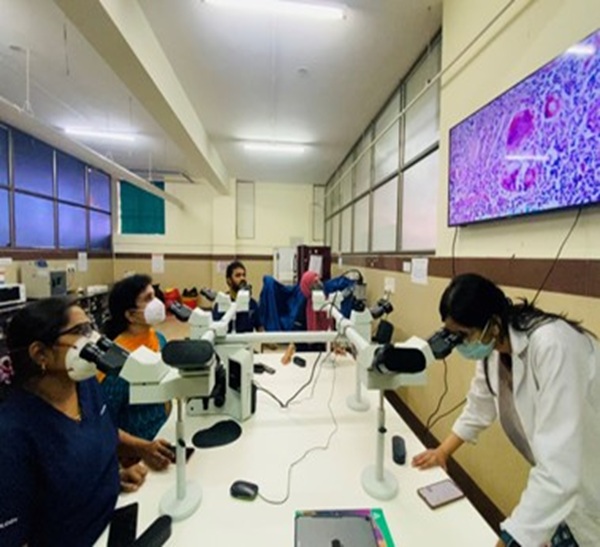
The department is also privileged to have 14 post graduate students per year from all over the country who are a vital part of the department workforce and help build the network of alumni who serve great role models for current students and are our best ambassadors who take the knowledge of our institution to their hometowns and into their professional and social networks. Residents are trained to comprehend the basis of pathologic processes, analyse laboratory and clinical data for clinicopathological correlation and practice the technical and mechanical aspects of laboratory pathology. Practical clinical experience is balanced by a wide variety of teaching activities on multihead microscopes, biopsy review, didactic seminars, journal club meets and regular inter and intra-departmental conferences which provide breadth and depth to the residents training.

Programs engaged by the Department

1. MBBS
2 MD
3 PhD
4 BDS
5 MDS
6 BSc Physiotherapy
7 BSc Medical Laboratory Technology
8 BSc Allied Health Sciences
9 BSc Speech & Hearing
10 MSc Forensic Odontology

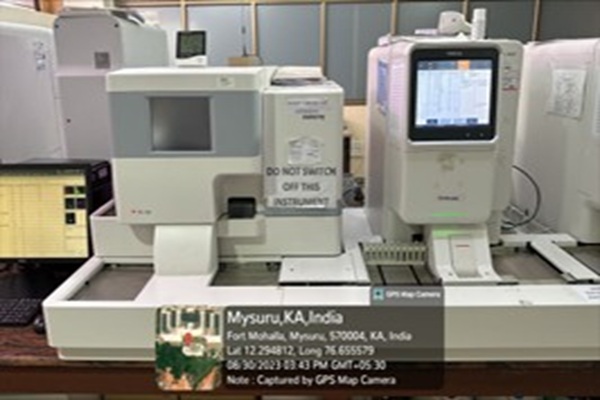
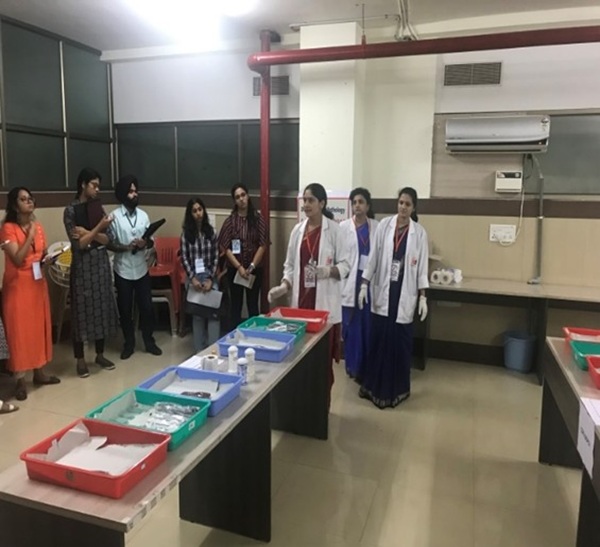
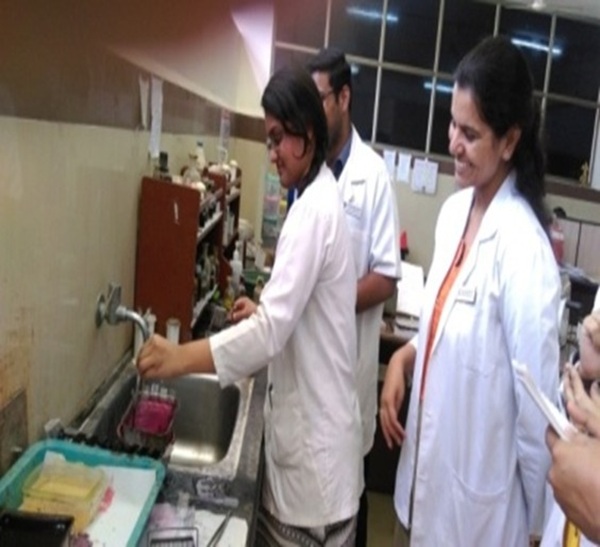
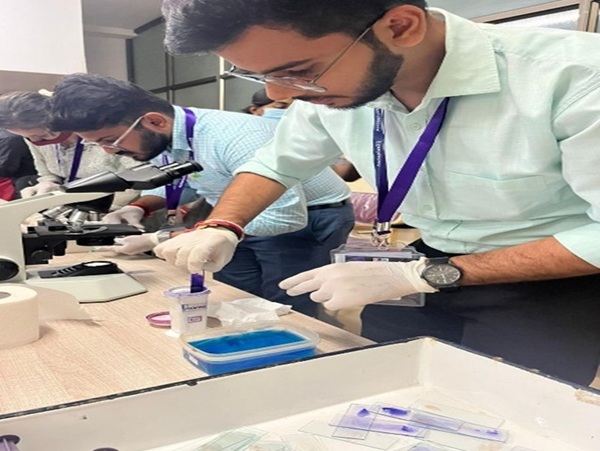
The students are trained on the various practical techniques, interpretation of investigations, which helps to understand the practical applications for better management of patients.