Best Practices
Context of the practice
Majority of the UG Learning is happening in the classroom with contextual facts through the prescribed teaching methodologies. Experiential learning involves acquiring knowledge through direct, hands-on experiences. It emphasizes practical engagement, enabling individuals to learn by doing, reflecting, and applying insights gained from real-world encounters. This dynamic approach fosters a deeper understanding of concepts, enhances problem-solving skills, and promotes personal growth. Whether through simulations, internships, or fieldwork, experiential learning empowers learners to bridge theory with practice, cultivating a holistic comprehension of subjects. This immersive process not only strengthens cognitive retention but also instils valuable life skills, fostering a more robust foundation for lifelong learning and adaptability.
Objectives of Practice
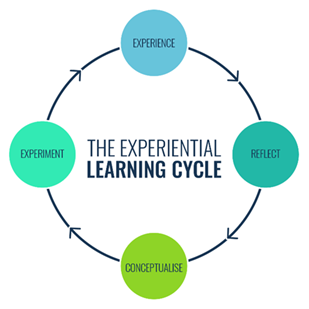
- Enhance the concrete learning of practical aspects of Forensic Medicine by exposing the students to stages of experiential learning (experience, reflect, conceptualize and experiment).
- Using the crime scene investigations in both simulated and real-world situations to provide experiential learning for the student
- Deepen understanding of investigative methodologies, evidence collection, and crime scene analysis among the students
- Enhance the critical thinking and problem-solving skills among students to prepare them for the challenges of forensic practice and criminal investigations.
The Practice
Simulated Crime Scene examination is a part of the curriculum in the B.Sc. Forensic Science Programme. Innovativeness in this arises out of competitiveness. After learning adequate methods of simulating various types of crime scenes, the concerned faculty have devised in creating a competitive atmosphere within the batch of students.
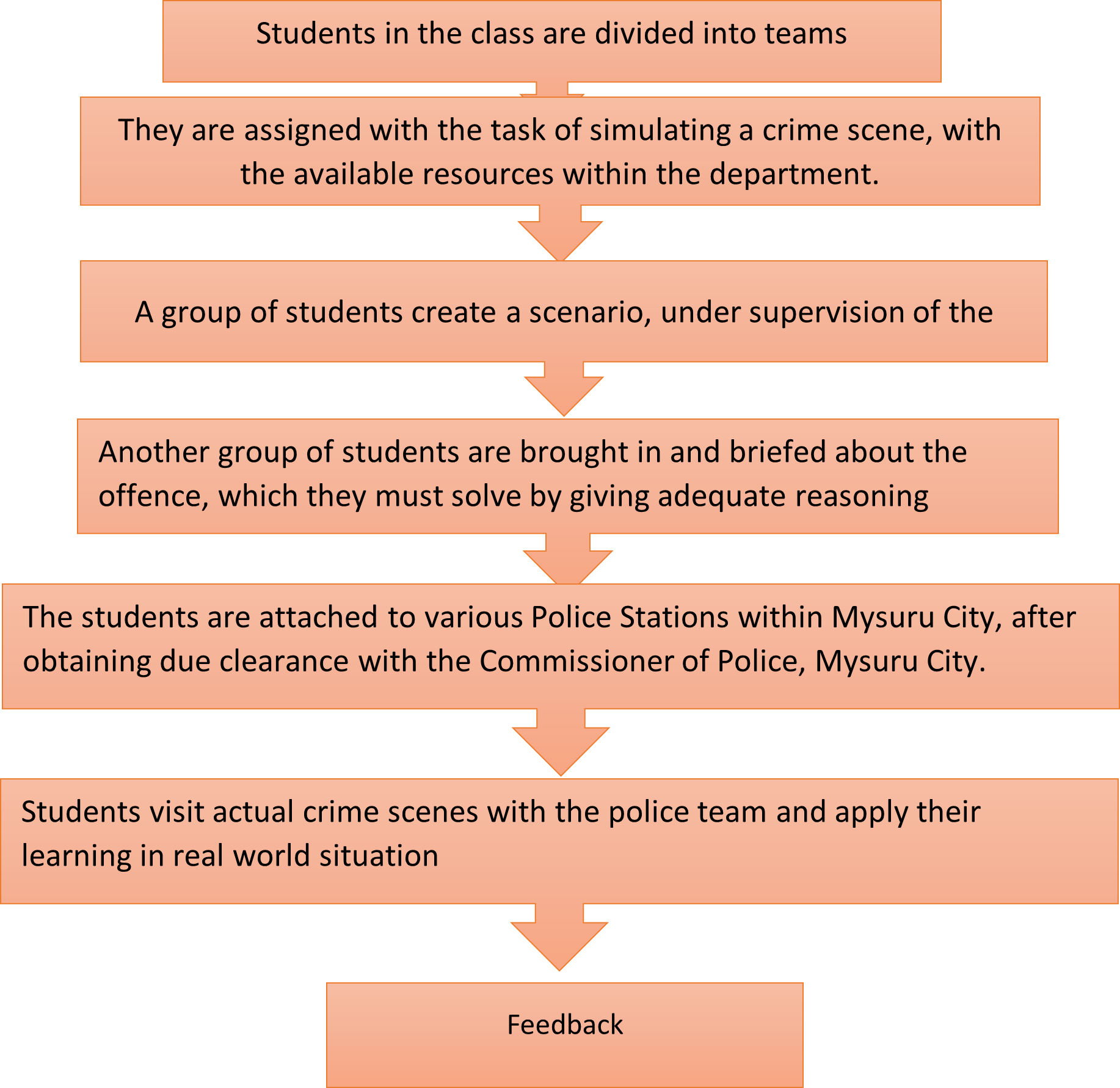
There are 27 police stations and units under the jurisdiction of Mysuru City. Department of Forensic Medicine and Toxicology, JSS Medical College is authorized to assist eleven of these in medico-legal work.
Obstacles faced and strategies adopted to overcome them
The Challenges faced in implementation is accessibility to authentic crime scenes and managing without compromising the regular academic schedule. The department has been able to implement the practice by co-ordinating with law enforcement agencies and posting the students during the after hours of their academic schedule to gain practical knowledge in crime investigation.
Impact of the Practice
Over the last four years the students involved in crime scene investigations have opined in the feedback that, this is the best way to learn practical aspects of Forensic Medicine. More than 80% of the students felt that this exercise has helped in team building, skill development and brought out the creativity among the students. More than 85% of students expressed that this approach has helped them in developing in-depth understanding of the crime scene investigations. Students also expressed that this approach helped them in developing skills related to recording notes, Pictorial and photographic documentation, location, identification and collection of Clue Materials, Cadaver Fingerprinting, Chain of Custody, methods of statement taking of witness, Victim and suspects are learnt hands on in a professional manner.
Resources required
Essential resources include facilities for simulating the crime scene. The faculty to supervise and monitor the students and support from police stations for seamless implementation.
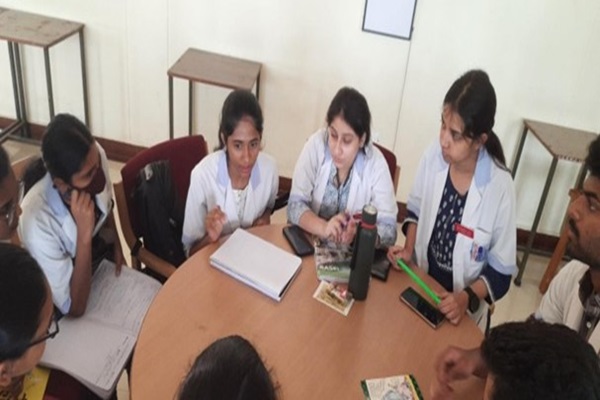
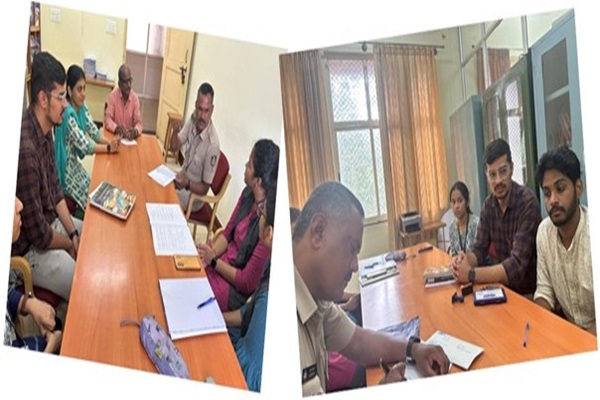
Crime scene simulation - Discussion Phase
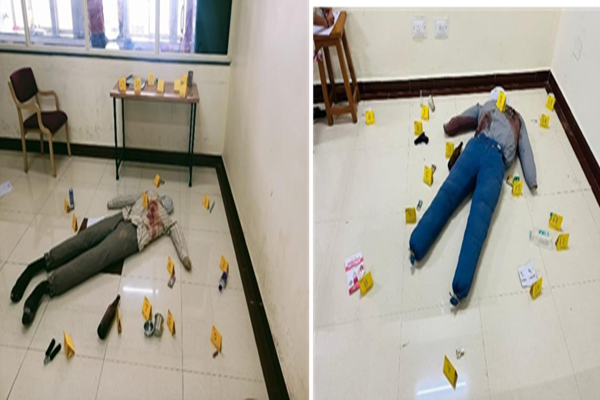
Layout
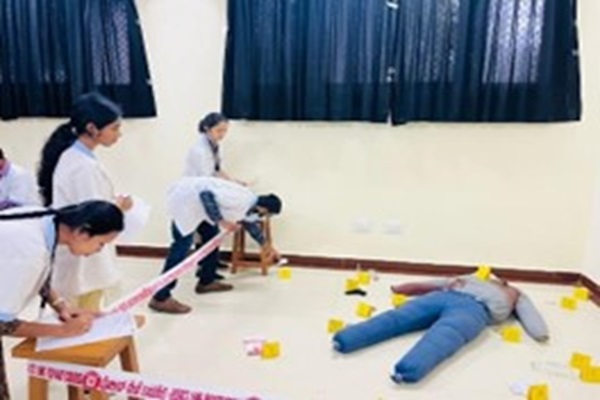
Fine Adjusting to simulation
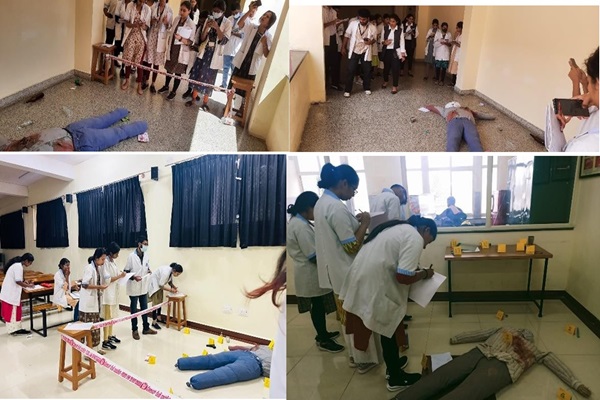
Examination of simulated crime scene
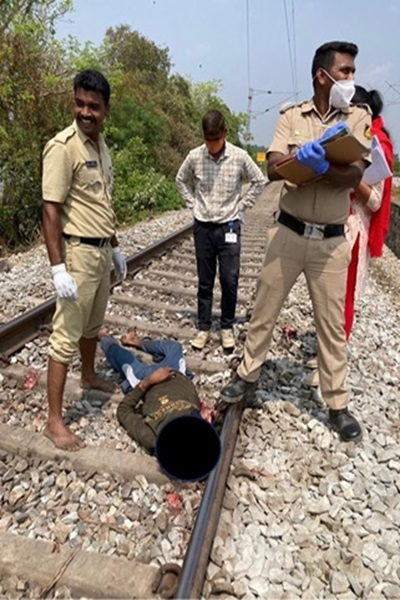
Students experiencing working in actual crime scene.
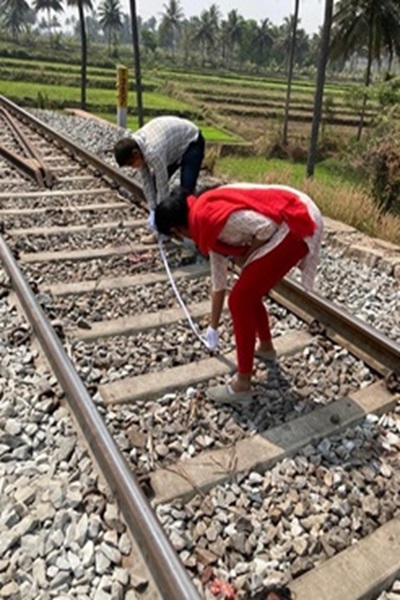
Students experiencing working in actual crime scene.
Context of the practice
Medical Internship is considered as an integral component of Undergraduate Medical Education. The internship in Forensic Medicine which was earlier optional/ elective was made mandatory exclusive by The National Medical Commission, in its notification of the Gazette India Extraordinary, dated 18th November 2021. The skill training of medical interns in Forensic Medicine is essential for equipping them with expertise in examining and documenting medicolegal cases. It involves hands-on experience in autopsy procedures, evidence collection, and forensic documentation. Exposure to real cases enhances their ability to handle complex situations, ensures accurate reporting, and fosters a holistic understanding of the intersection between medicine and law. Ultimately, this practical training prepares medical interns for the challenges and responsibilities inherent in Forensic Medicine practice.
Objectives of Practice
At the end of postings in Forensic Medicine Department the intern is expected to acquire following competencies,
- Receive Inquest papers from the Police Officer, identify the relevant sections of IPC/Cr PC under which the case is registered, interact with relatives of the deceased to gather additional information about the case.
- Conduct forensic autopsy in common Medicolegal cases like Hanging and Poisoning.
The Practice
Two to four interns are posted to the Department of Forensic Medicine and Toxicology at a time. On initial orientations session to the interns, they are advised about the objectives of the posting, basics of handling medico-legal cases, conducting autopsies, documenting the findings of autopsies, how to collect and interpret the evidence etc.
Interns interact with the relatives of the deceased and gather information about the case. They are made to conduct the autopsy under the supervision of faculty and appreciate the findings and document the findings.
The interns are made to interact with the Police officers in the inquest rooms available in the mortuary. The interns will decide in the relevant sections if IPC/CrPC under which the case must be registered and understand the legal implications of these sections.
Interns are made to handle the deceased under the direct supervision of the faculty.
Obstacles faced and strategies adopted to overcome them
The Challenges faced in implementation is access to diverse autopsy cases since the mandated duration of posting is 1 week. The department has been able to provide adequate exposure through simulated case-based discussions.
Impact of the Practice
Interns who underwent this mode of training gave feedback that they were able to apply the theoretical knowledge gained in the MBBS training into actual practice during internship. More than 70% of the interns felt that this evoked the interest about the subject among them. Majority of the interns felt that they were more confident and competent in handling medico-legal cases well in the future. Most of the interns opined that, they felt more engaged and appreciative during the posting.
Resources required
Essential resources include existing mortuary facility and autopsy cases and the faculty to supervise and monitor the students.
Photo gallery
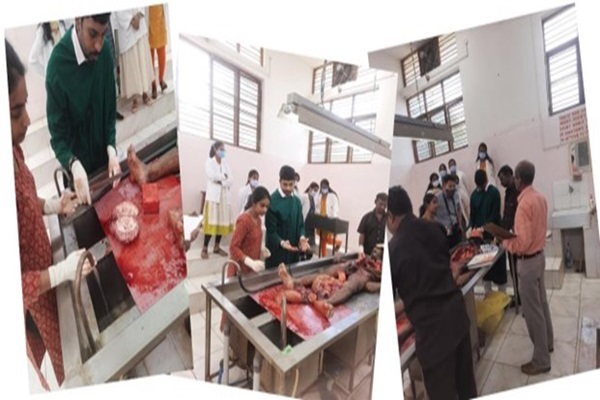
Interns performing autopsy under the direct supervision of faculty