Infrastructure
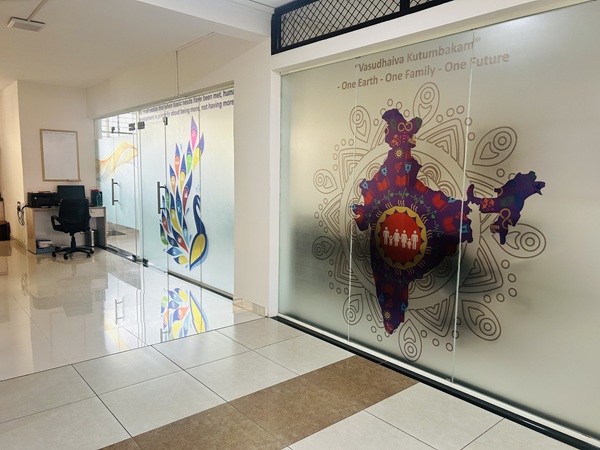
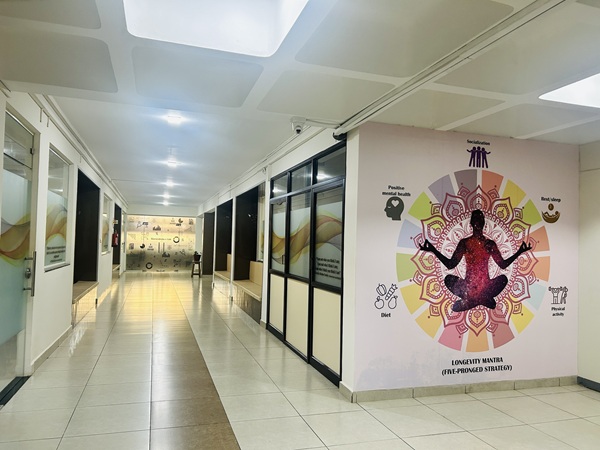
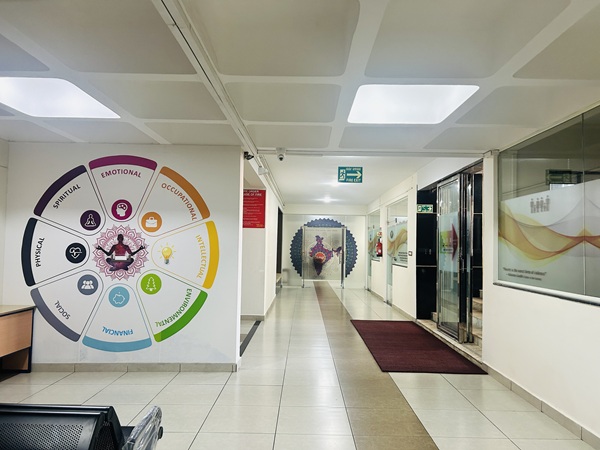
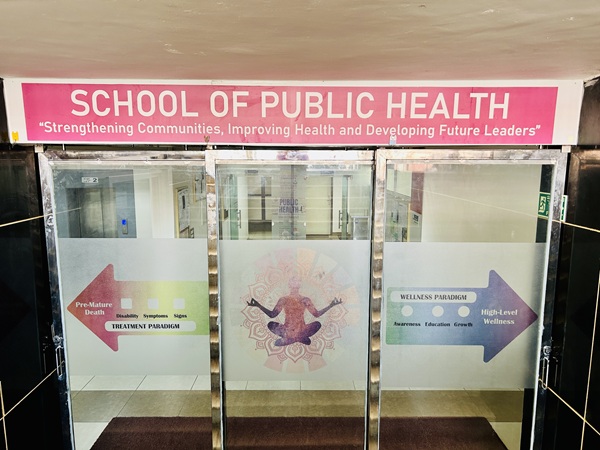
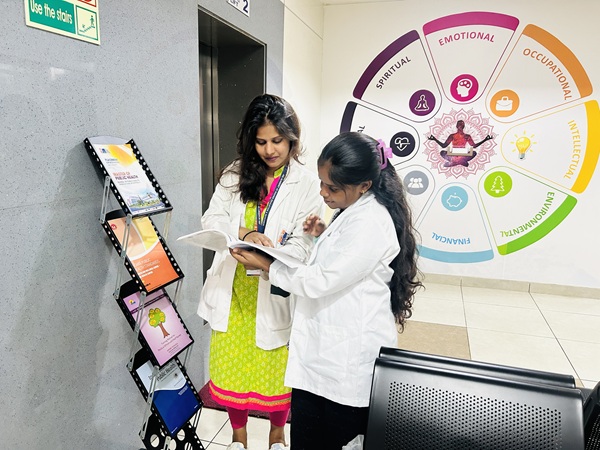
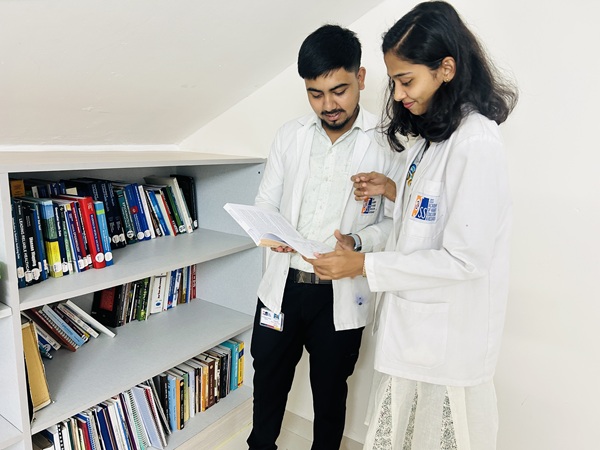
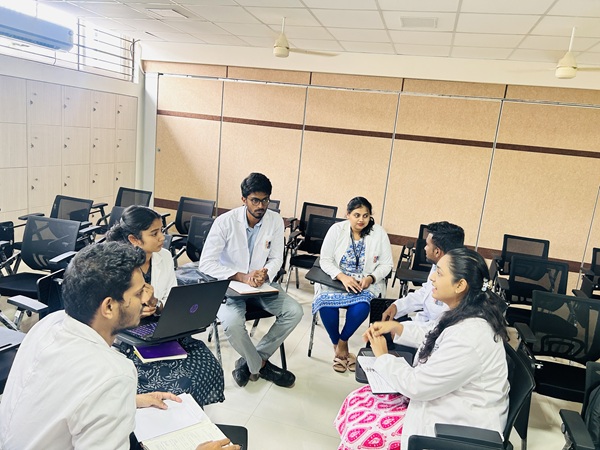
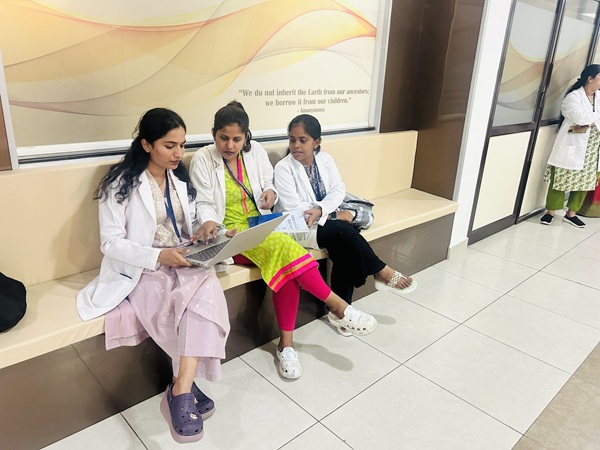
Our campus blends modernity with functionality to provide an optimal environment for learning, collaboration, and innovation:
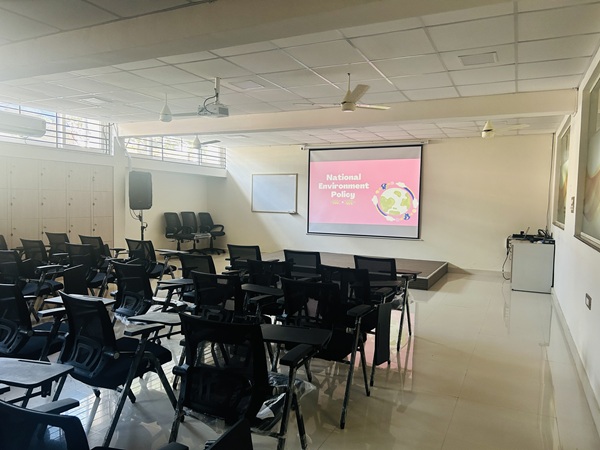
- Smart Classrooms: We offer four well-equipped classrooms - two large lecture halls with a 60-student capacity each, and two smaller classrooms for elective courses, each accommodating 30 students. All classrooms are air-conditioned and fitted with wall-mounted projectors to enhance the teaching-learning experience.
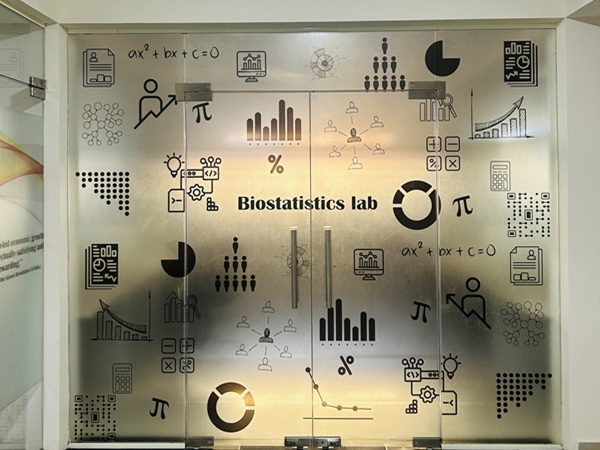
- Biostatistics Laboratory: A dedicated lab offers students hands-on experience with statistical software and data analytics, equipping them with essential research skills for evidence-based public health practice.
- Interactive Learning Spaces: A specialized demonstration room features spotters, live demos, and 3D simulation models that foster experiential learning of complex public health concepts.
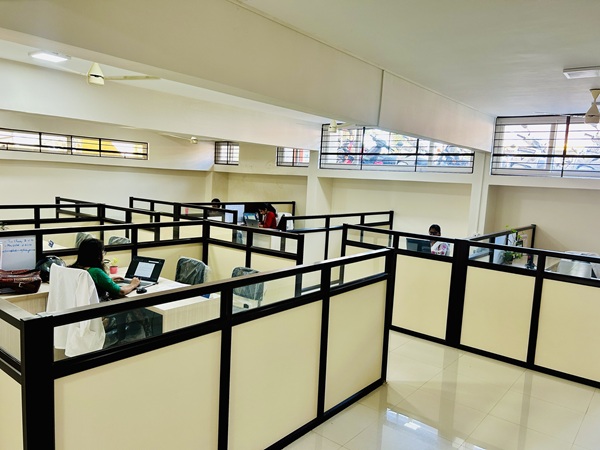
- Faculty and Research Zones: The school includes eleven private faculty cabins with storage, collaborative workspaces for scholars and consultants, and designated administrative areas with computers and printers for efficient operations.
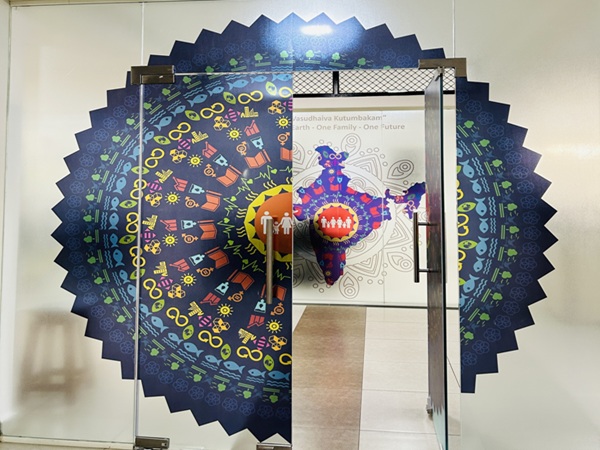
- Inclusivity and Sanitation: Clean, accessible toilets are available across the campus, including facilities designed for persons with disabilities and third-gender individuals, upholding inclusivity and dignity.
- Innovation Hub (PEARL center): The campus houses a vibrant space dedicated to public health policy development, social entrepreneurship, research acceleration, and healthy aging initiatives-functioning as a think tank for future-forward public health solutions.

HOSTEL FACILITY
We provide on-campus hostel facilities tailored for the comfort and convenience of postgraduate students:
- Accommodation options include single, two-sharing, and three-sharing rooms, all within close proximity to the academic block.
- The hostels maintain high standards of cleanliness and safety, offering a conducive environment for academic focus and peer bonding
FIELD PRACTICE AREAS
Real-world exposure is integral to Public Health education at JSS AHER:
- Community Engagement: Students actively participate in community-based research and health interventions in both urban and rural settings.
- Collaborative Tie-ups: The School has established partnerships with various field sites, PHCs, NGOs, and Public Health institutions to provide immersive learning experiences.
- Ongoing Projects: From environmental health monitoring to NCD prevention initiatives, students engage in impactful fieldwork that strengthens their practical competencies and social responsibility.