Best Practices
Title of the practice- Radiofrequency Ablation Technique (RFA)
Context of the practice
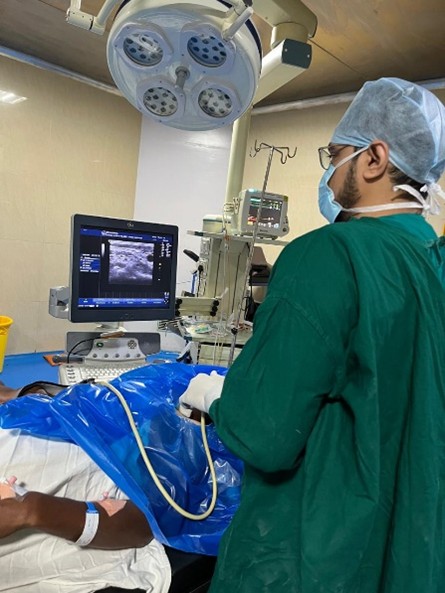
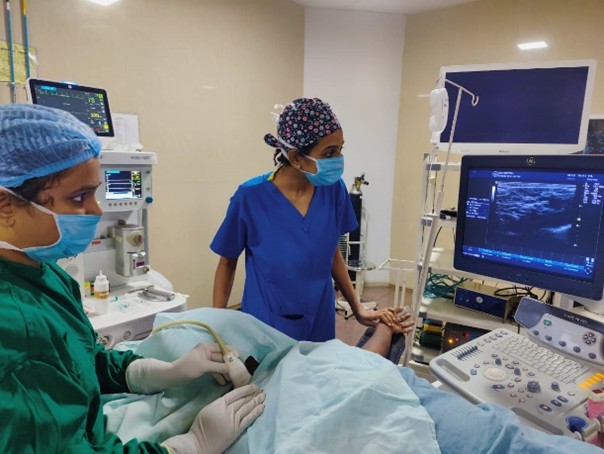
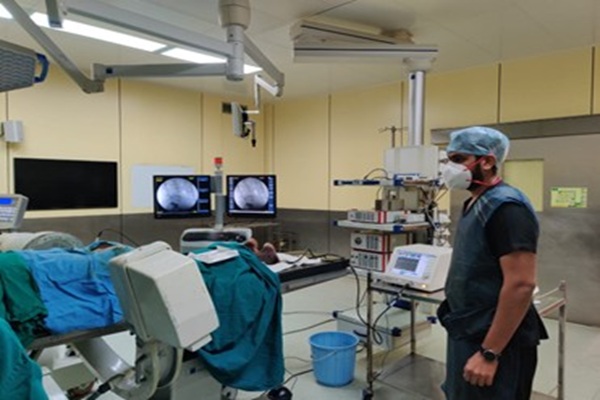
Radiofrequency waves are used to produce heat on specifically identified nerves generating heat around the nerve. Target nerve is confirmed after sensory and motor stimulation ,thus increasing the safety profile. The nerve is ablated, thus destroying its ability to transmit pain signals to the brain. Because of RFA's long-lasting results, the pain medication requirement is reduced. Nerve blocks with local anesthetics and long acting steroids provides results which lasts for short duration contrary to RFA which provides long lasting results ranging from 6 months to 2 years.
Objectives of Practice
- Used for its minimal invasiveness
- Target selective approach
- Minimizing need for analgesics.
- Used as teaching tool to our postgraduates and junior faculty
- For safe and long lasting analgesia
- Reduces pain in several chronic conditions
- Produces temperature controlled target nerve destruction(thermocoagulation)
- Reduces pain by pain transmission modulation
The Practice
Conventional radiofrequency
- Patients of trigeminal neuralgia with failed conservative treatments for Gasserian ganglion RFA
- Sphenopalatine ganglion block and RFA for chronic head/facial pain like trigeminal neuralgia, TMJ pain, cluster headache, CRPS
- Occipital neuralgia - 3rd occipital nerve RFA
- Cervical, thoracic, and lumbar facet arthropathy- RFA of medial branches done for long term relief of pain in patients with chronic pain and conditions such as arthritis of the spine (spondylosis)
- T2, T3 sympathetic nerve RFA has been done in case of pain arising from the upper and middle back, e.g., CRPS.
- Splanchnic nerve RFA- Done in chronic pancreatitis pain refractory to medical management.
- Lumbar sympathetic RFA has been done in patients with CRPS of the lower limb as well as for pain of ischaemic origin, e.g., Thromboangitis obliterans.
Pulsed radiofrequency
- Occipital neuralgia
- Suprascapular nerve RFA for adhesive capsulitis, frozen shoulder, rotator cuff tear, degenerative or inflammatory glenohumeral arthritis.
- Cervical/thoracic/lumbar DRG radiofrequency is done in chronic post-surgical pain, nerve compression due to a herniated disc, or spine arthritis or spine surgery.
- Intercostal nerve RFA for postherpetic neuralgia, scar neuralgia in the chest, post-thoracotomy syndrome.
Obstacles
Procuring the machine through proper channel was a time consuming affair.
Familiarizing the pain fellows, post graduates to the nuances of RFA use was the next obstacle- This was overcome by proper demonstration after procuring the RFA machine
Sensitizing the OT personnel about gentle handling of the machine-This was achieved by conducting classes for OT technicians
Maintenance issues - any defect/ malfunction cannot be addressed immediately due to lack of technical support. In such circumstances the company personnel is approached through proper channel and sorted out.
Impact
- Reduces pain for a longer duration.
- Improves the range of motion, helps the patient return to work quickly, perform routine activities, and helps to have an active lifestyle.
- Reduces consumption of pain medications.
- Better patient satisfaction
- Reduced complication rates
- Avoids / delays surgery
Resources required
- RFA generator machine
- RFA cannula
- Thermistor probe
- USG
- C- ARM
- Grounding pad
- OT personnel
Title of the practice - Anaesthesia for liver transplant
Context of the practice
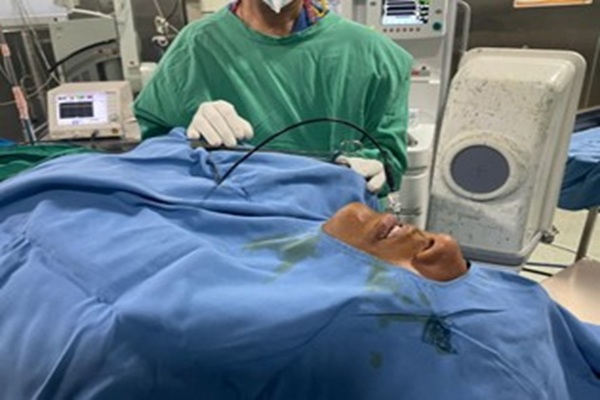
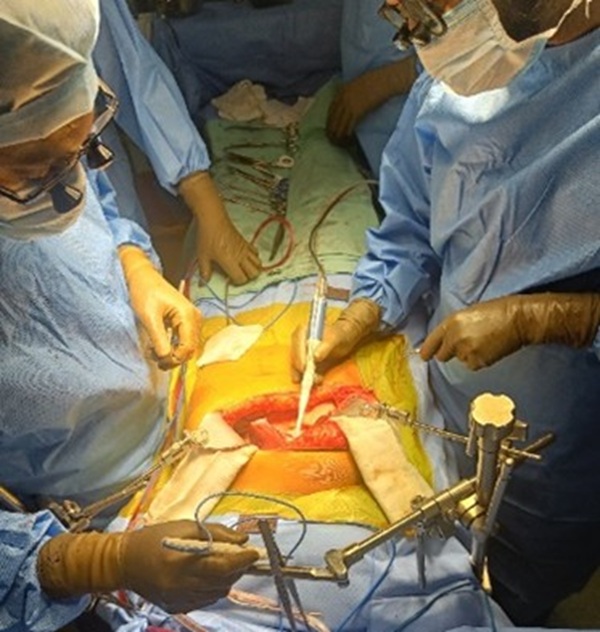
There is a rise of liver disease among the current population especially middle aged patients, ending up in end stage liver disorders. These patients with increased morbidity and mortality require liver transplant for survival and better quality of life. Hence liver transplant program at an affordable cost and holistic perioperative care was started in our hospital. To perform liver transplant surgery safely & effectively, allowing the surgical team to perform the transplantation procedure, anaesthesia & anesthesiologist play a vital role starting from the evaluation of the patient and post operative care.
Objectives of Practice
The objective of anaesthesia for a liver transplant is to provide a safe, pain-fee and controlled environment for the patient during the surgical procedure. It includes minimizing the surgical stress, optimizing hemodynamic stability and ensuring a smooth transition from the OR to the ICU and out of the ICU.
Practice of anesthesia for liver transplant
The practice of anesthesia for liver transplant involves a specialized and meticulous approach tailored to the unique challenges of the procedure. Anesthesia for liver transplant typically follows these steps:
Preoperative Assessment: Anaesthesiologists assess the patient's medical history, current health status, and any potential risks. They formulate an anesthesia plan based on this evaluation.
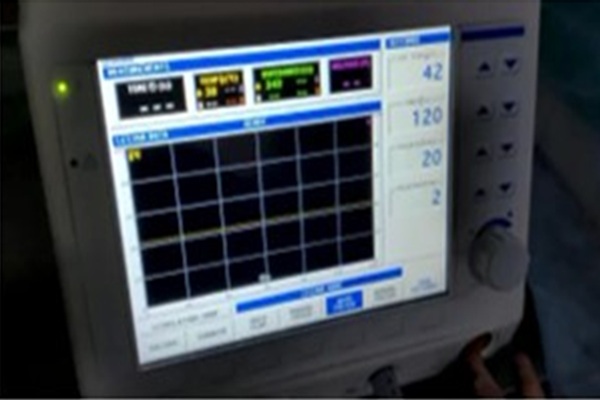
Preparation: Anesthesia equipment and drugs are prepared. Intravenous lines and monitoring devices are placed on the patient. Baseline vital signs are recorded.
Preparation: Induction: Anesthesia is induced using intravenous medications to ensure the patient becomes unconscious and pain-free. Intubation is performed to secure the airway, and the patient is mechanically ventilated.
Preparation: Maintenance: Anesthesia is maintained throughout the surgery. Anesthesiologists monitor the patient's vital signs continuously, adjust anesthesia levels as needed, and manage fluids, drugs, blood products and ventilation parameters.
Preparation: Intraoperative Challenges: Liver transplant surgeries can present challenges such as massive blood loss and hemodynamic instability. Anesthesia providers work closely with the surgical team to manage these challenges, administering blood products, vasoactive drugs, and other interventions as necessary.
Preparation: Postoperative Care: After the transplant is completed, anesthesia providers assist in the patient's transition from anesthesia to the recovery area. They continue monitoring vital signs, manage pain and nausea, and ensure a smooth recovery process.
Preparation: Pain Management: Anesthesia providers are responsible for postoperative pain management, often using a combination of medications to keep the patient comfortable while ensuring they remain alert and responsive.
Post-Anesthesia Care: In the post-anesthesia care unit (PACU), patients are monitored as they recover from anesthesia. Anesthesia providers assess the patient's condition, manage any emerging issues, and ensure a safe transition to the regular hospital ward.
Throughout this process, communication and coordination with the surgical team and intensivists are paramount. Anesthesia providers must be prepared to handle any emergencies, adjusting their techniques and medications as the surgery progresses to ensure the patient's safety and well-being.
Obstacles for anesthesia for liver transplant
Anesthesia for liver transplant surgeries presents several challenges due to the complexity and duration of the procedure, as well as the underlying health conditions of the patients. Some obstacles include:
Hemodynamic Instability: Liver transplant surgery often leads to significant changes in blood flow and pressure, requiring careful management to prevent complications.
Coagulopathy: Patients with liver disease may have impaired blood clotting, increasing the risk of bleeding during surgery. Anesthesia must address this issue to prevent excessive bleeding.
Electrolyte Imbalance: Liver dysfunction can disrupt electrolyte balance, which needs to be closely monitored and corrected during the surgery.
Hyperkalaemia: Elevated potassium levels are common in liver transplant patients and can lead to cardiac issues. Anesthesia must be tailored to manage potassium levels effectively.
Renal Dysfunction: Liver transplant patients often have impaired kidney function, necessitating careful administration of anesthesia drugs to prevent further kidney damage.
Post-Reperfusion Syndrome: After the new liver is implanted and blood flow is restored, there can be a sudden drop in blood pressure, posing a significant challenge to anesthesia management.
Respiratory Challenges: Liver transplant surgery can affect lung function due to various factors, including fluid shifts and changes in chest mechanics, requiring vigilant respiratory support.
Immunosuppression: Patients receive immunosuppressive drugs post-transplant, which can affect their response to anesthesia and increase susceptibility to infections.
Graft Rejection: Anesthesia management is crucial in preventing complications related to graft rejection, which can be exacerbated by the stress of surgery.
Prolonged Surgery Duration: Liver transplant surgeries are often lengthy, increasing the risk of complications such as deep vein thrombosis and pressure sores, which anesthesia must address.
It's important to note that advancements in medical techniques and anesthesia practices continue to improve outcomes for liver transplant patients, but these challenges highlight the complexity of the procedure.
Impact of the Practice
Implementing effective anaesthesia during this transplant has significant impact like patient safety, surgical success, reduced complication, improved graft acceptance and function, faster recovery with a better long term outcomes.
Resources required
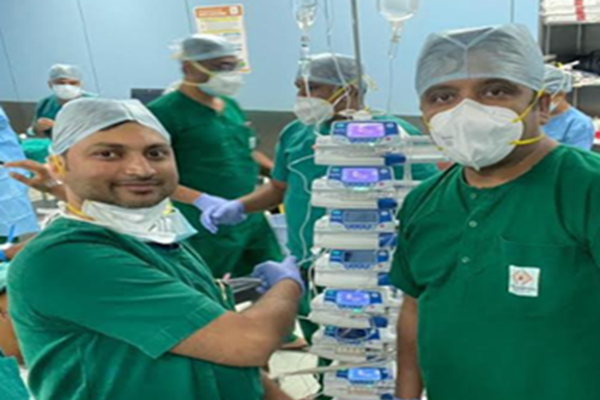
- Anaesthesia workstations
- Ultrasound
- Liver transplantation surgeon
- Liver transplant anaesthesiologist
- Critical care specialist
Title of the practice - Simulation Lab based Teaching
Context of the practice
- Use of innovative method of teaching medical students
- Skill application is better taught to students on manikins
- Various scenarios can be simulated which the student may not be exposed to in real patients
- The skills can be repeatedly practiced to perfection in manikins which is not possible on real patients
- Delivering patient student ratio which reduces patient exposure
- Refusal from patient side for examination is overcome by the use of manikins
- The implementation of skill based education in medical profession
- Skill assessment is done methodically with the use of manikins
- Repeated assessment of skill can be done
- Crisis resource management can be methodically trained to medical students
Objectives of Practice
- To enable the students to understand the various theoretical applications on clinical practice
- To expose the students to various skills which may not be possible with real patients
- To repeatedly practice the skill till perfection is obtained
- To assess the student for his progress on a skill attainment
Practice
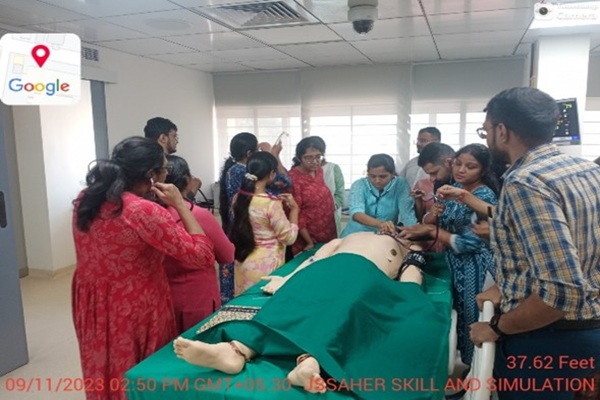
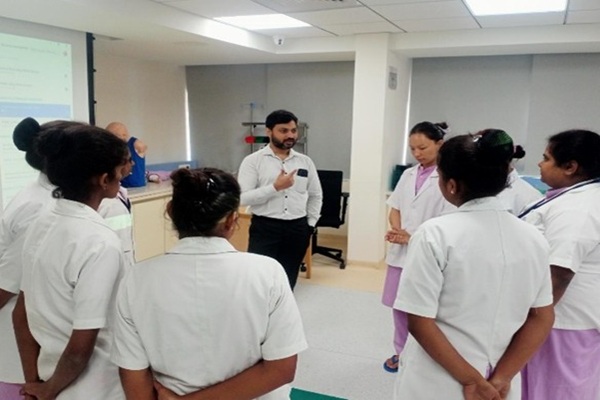
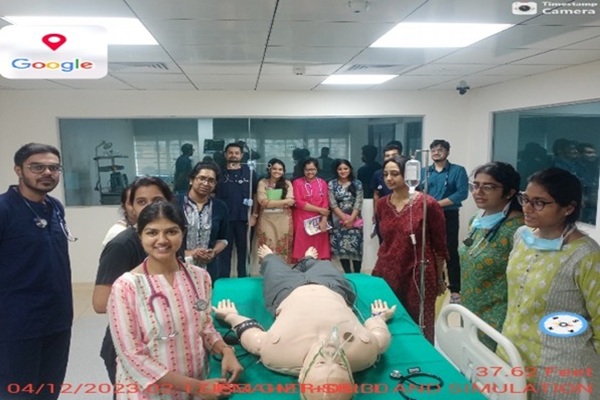
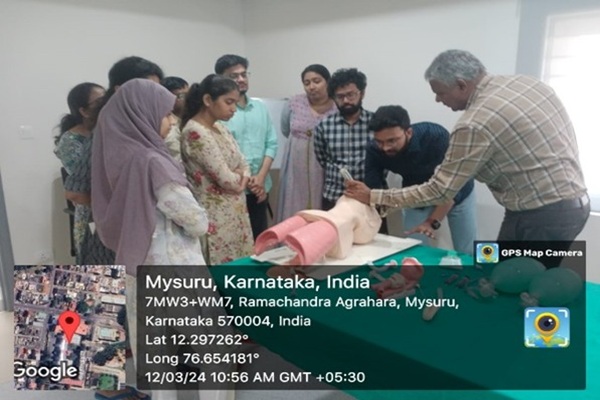
JSS Skill & Simulation centre was set up in 2020 with the sole intention of creating better learning opportunities for students and faculties in medical profession.
The facilities in the skill & simulation lab can be extended to almost all the clinical departments where the students are taught the various skills and subsequently simulating the scenarios can enable them to understand better.
The skill based manikins are available where the faculty of each department will teach the designated students the particular type of skill as per the check list. This will be repeated till the students is assessed for that particular type of skill and reassessed in case the goal is not met. For eg. Bag mask ventilation to target to 1st year student attains the goal of attaining complete chest rise. The various advanced surgical simulators and endoscopy simulators will enable the faculty to repeatedly practice the technique and also to educate the post graduate and super specialty postgraduates about the advanced skill in these practices. The simulation manikins are very useful in teaching the students about the correct protocols of managing emergency situations. The principles of crisis resource management can be best simulated during such practice sessions.
The debriefing sessions will enable the students to follow a protocol, season out the various thought process. The non technical skills and communication skills can be best assessed and taught during these simulation scenarios.
Regular BLS & ACLS classes are conducted.
Obstacles
The post graduates being less in number to cater the services in OT, ICU & periphery are not able to dedicate time to attend classes in the skill & simulation centre.
Strategies
- The foundation course for the interns before the beginning of internship exposed them to various clinical skills which they can apply on patients
- Similarly foundation course can be implemented for post graduate freshers.
- Proper scheduling of classes
Impact of the Practice
With the use of skill education the students are exposed to various skills at a very early part of medical education. The same skills are applied in clinical practice. The check list of each procedure is followed by each student so that the technique of each skill and its preparation is well understood by the student. The student is allowed to practice repeatedly till perfection is achieved and the assessment is done on these skills.
The simulated scenarios gives an exposure of managing the emergency and non emergency situations where the technical as well as non technical skills are taught and assessed.
Resources required
- Advanced gadgets like video laryngoscopes are required to teach advanced skills to students
- Training sessions have to be repeated to faculties to keep them updated
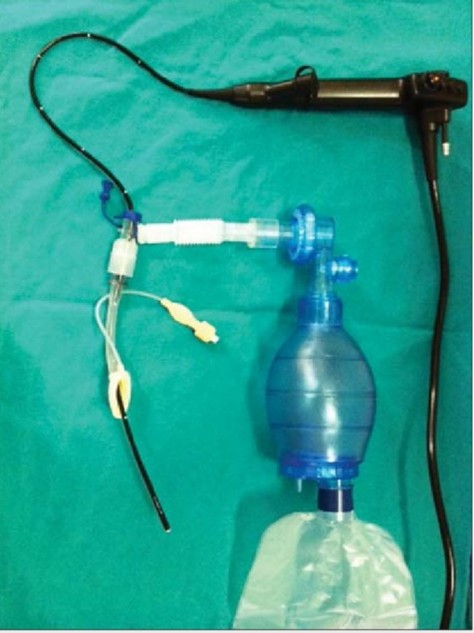
Title of the practice - Use of Flexible Intubating Scope
Context of the practice
Difficult Airway is a common finding in the present-day Anaesthesia practice. Anticipated difficult airway poses a great challenge to any anaesthesiologist but unanticipated difficult airway is even more challenging as it comes as a total surprise. Awake flexible scope intubation is a gold standard for anticipated difficult airway. Since we are a tertiary care centre handling difficult cases like polytrauma, cervical spine injury and faciomaxillary surgeries this practice of using Flexible Intubating Scope (FIS) is absolutely necessary.
Objectives of Practice
To provide safe airway management to all the patients undergoing anaesthesia and surgery in JSS Hospital with minimal airway related complications. FIS being a video endoscope allows the students to appreciate realtime airway anatomy and aids in teaching and training of ug, pg and allied health sciences students.
Practice
Patients are evaluated prior to anaesthesia. If a difficult airway is diagnosed then awake flexible intubation is planned. The procedure is explained to the patient as patient cooperation is crucial for the success of the procedure. On the day of surgery patients airway is anaesthetised and flexible scope intubation is performed by the anaesthesiologist to secure the airway.
In case of a unanticipated difficult airway FIS is used as a rescue device.
Obstacles
Impact of the Practice
Impact of initiation of this practice has been enormous. Previously anticipated difficult airway cases were being referred and unanticipated difficult airway cases landed up in complications when intubation was not possible with conventional laryngoscopy. Once the practice of Flexible scope intubation has been started, we have handled all the cases of difficult airway without any complications. It has also helped in teaching the students about the airway anatomy.
Resources required
- Anaesthesiologist trained in Flexible scope intubation
- Flexible Intubating Scope
- Monitor
- Suction apparatus
- Difficult Airway Cart
Title of the practice - Use of ultrasound in anaesthesiology
Context of the practice
Peripheral nerve blocks for various surgical procedures were previously performed using landmark techniques or with the help of peripheral nerve stimulator. The failure rates were significant since it relied either on anatomical landmark (which were subject to variation) or subjective perception. This increased the rates of conversion to general anaesthesia, which resulted in increased OT turnover times & increased cost. Introducing USG in this scenario helped us overcome this problem.
Central venous cannulation also was performed using landmark technique and was a blind procedure, the success of which relied mainly on the experience of the personnel. Also, risk of complications were higher with blind technique. Using USG has made Central Venous Cannulation a safer procedure.
Objectives of Practice
- To improve patient safety
- To reduce complication rates
- As a teaching tool to our postgraduates and junior faculty
- To fine tune the skills of Anaesthesiologists
- To improve post operative outcome.
Practice
The USG machine is used as per need for Peripheral Nerve Block, difficult Central Neuraxial Blockade, Central Venous Cannulation, airway assessment & pain procedures. It is also utilized extensively in the perioperative period for Transthoracic Echocardiography, assessing preopearative gastric volume, post operative analgesia by means of truncal and fascial plane blocks.
- When not in use it is kept covered in its designated place
- Before placing the prole on the patient it is draped using a sterile plastic cover and used with strict aseptic precautions.
- The use is then documented in a register dedicated specifically for this.
- After use, the probe is cleaned using a mild antiseptic solution.
Obstacles
- Procuring the machine through proper channel was a time consuming affair.
- Familiarizing the anesthesiologist to the nuances of USG use was the next obstacle- This was overcome by attending workshops on use of USG, involving eminent faculty to train the staff.
- Sensitizing the OT personnel about gentle handling of the machine-This was achieved by conducting classes for OT technicians.
- Maintenance issues - any defect/ malfunction cannot be addressed immediately due to lack of technical support. In such circumstances the company personnel is approached through proper channel and sorted out.
- In many instances, the anaesthesia provider has to resolve to using older and conventional techniques in spite of being fluent with Ultrasound use due to unavailability of the machine(since it is in use in it other OTs) - can be resolved by procuring more machines
Impact of the Practice
- Improved success rate of nerve blocks
- Better patient satisfaction
- Reduced complication rates
- Better surgeon satisfaction
- Shorter OT turnover times
- Safer practice of invasive procedures
- Improved decision making
- Academic & research-Postgraduates are getting hands on training in advanced techniques and a lot of research has been initiated using the facility
Resources required
- USG machine
- Skilled anesthesiologist
- OT personnel