Doctor of Pharmacy (Pharm .D)
Pharm. D or Doctor of Pharmacy is a six-year professional degree that is recognized by the Pharmacy Council of India (PCI). The course entails study in a wide range of subjects that include foundational/core biomedical as well as pharmacy subjects in the initial years. Advanced topics in pharmacy practice and research are introduced in the later years of the program. Exposure to Introductory Pharmacy Practice Experiences (IPPE) during the early years enables early imbibing of concept; Advanced Pharmacy Practice Experiences (APPE) in the later years allows integration of learning, and development of skills, professional attitudes, and behavior. Given the broad range of courses studied, students may choose from a wide variety of career prospects to pursue their vocation.
Structure of Program
The course duration is of six academic years comprising of five years of study and one year of internship or residency. Each academic year is spread over 200 days. The six-year period of study is divided into two phases
Phase I – Academic years 1 to 5
Phase I apart from didactic learning comprises of various teaching learning methods like case-based and problem-based learning, simulation exercises, group activities, seminar and assignments, bedside teaching, case discussions, and practice site visits.
Phase II – Internship training by way of postings in various hospital departments.
This is a phase of training wherein a student is exposed to actual pharmacy practice or clinical pharmacy activities and acquires skill under supervision so that he or she may become capable of functioning independently.
Examinations
Three internal exams (at least two) in every subject in the academic year that is scheduled periodically and forms the basis for formative assessment (Max. Marks – 30).
One annual examination for every subject at the end of every academic year (usually March- April) that will be a summative assessment (Max. Marks – 70).The examinations will have a written as well as a practical (including viva voce) component.
Combined scores of formative and summative assessments will be stated in the report card.
rCandidates must have completed the age of 17 years on or before 31st December of the year of admission to the course and passed any of the following examinations
- D.Pharm qualifying examination from an institution approved by the Pharmacy Council of India under section 12 of the Pharmacy Act
- 10+2 examination with Physics and Chemistry as compulsory subjects along with one of the following subjects: Mathematics or Biology.
OR
- Clinical / Hospital Pharmacist
- Hospital Pharmacy Director
- Medication Safety Officer
- Drug Information Pharmacist
- Drug Safety Associate
- Clinical trial coordinator
- Health insurance claims pharmacist
- Medication management pharmacist
- Home medicines review pharmacist
- Community / Managed Care Pharmacist
INR 3.5 lakhs/annum
Forms
- Pharm D _Regulations & Syllabus
Bangalore University
Bangalore University
Rajiv Gandhi University of Health Sciences
JSS College of Pharmacy, Mysore
Jagadguru Sri Shivarathreeshwara University
JSS College of Pharmacy, Mysore
Department / Subject Taught
Pharmacy Practice
Oct 04, 2016
9 Years 5 Months
Pharmacy Practice
Till Date
10 Years 0 Months
To contribute meaningfully to the advancement of pharmacotherapeutic science, education, and practice — promoting safe, effective, and economical medication use — while remaining committed to service that benefits patients, the profession, and the broader community.
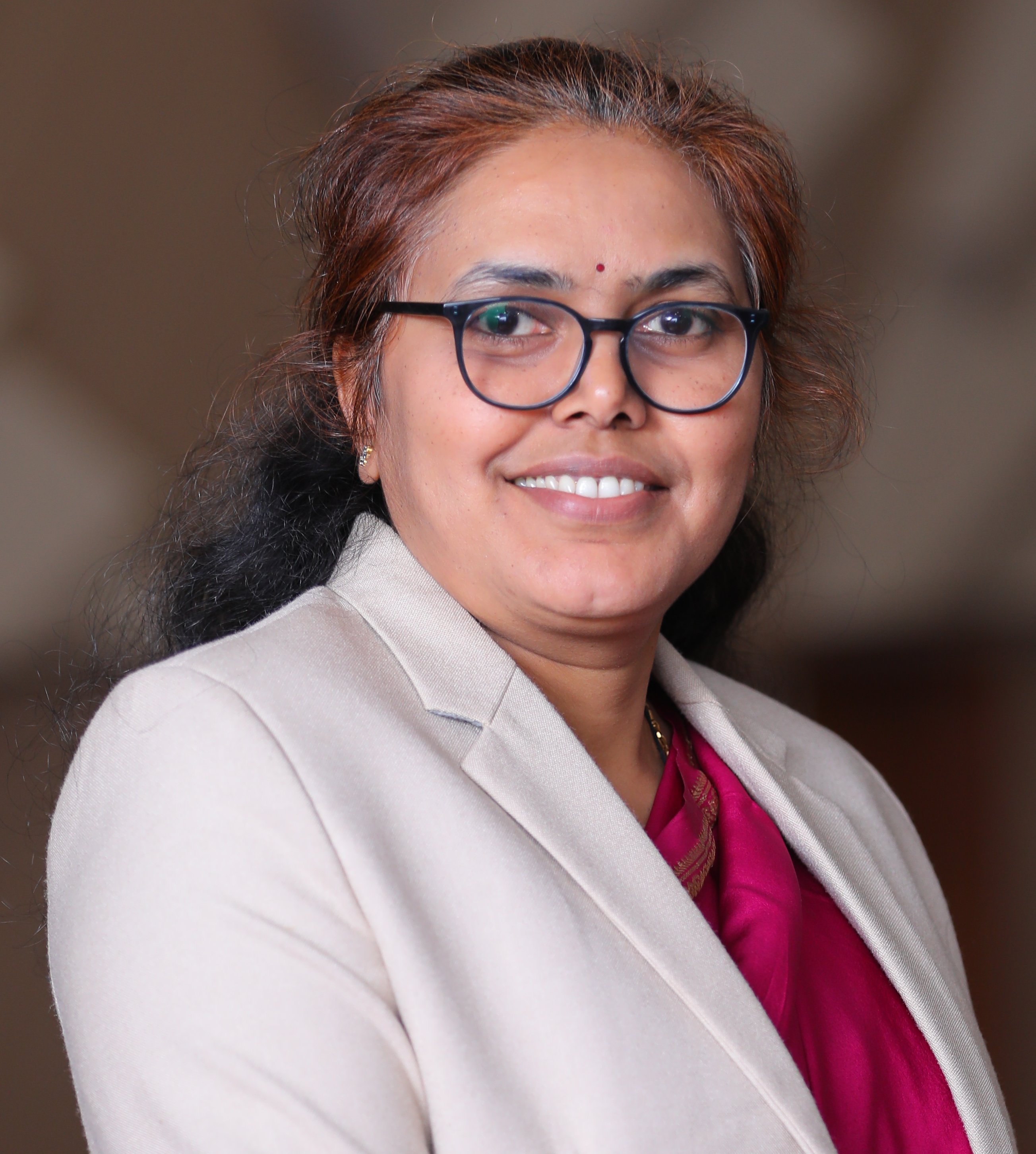
Dr. Savitha R S has been associated with the College of Pharmacy, Mysuru at JSS University since May 2007. She has been involved in teaching pathophysiology and pharmacotherapeutics to a great extent apart from other courses, and currently handles Pharmacotherapeutics, and Clinical Pharmacokinetics and Therapeutic Drug Monitoring for postgraduate pharmacy students. She has contributed towards improving instructional quality by way of employing a variety of classroom teaching practices that allow for both teacher-directed and self-regulated learning.
Her teaching philosophy centers on bridging the gap between clinical theory and bedside application — she believes pharmacy education is most effective when students are trained not just to recall pharmacological facts, but to reason through real patient scenarios, so that clinical judgment becomes a habit rather than an afterthought.
She has attended national and international conferences where she has presented research papers in the area of pharmacoepidemiology, outcomes research, and pharmacy practice. She has worked in the area of medication-related problems and the provision of pharmaceutical care to renally impaired patients for her Ph.D. Her other areas of interest include respiratory medicine and pediatric medicine, and her current research focuses on dosing optimization using Therapeutic Drug Monitoring (TDM) and related software tools.
She has guided at least 20 postgraduate students and 4 Ph.D. scholars to date. On the administrative front, she served as Head of the Department of Pharmacy Practice from 2022 to 2025, has been the Honorary Secretary of the IPA Local Branch, Mysuru, and has coordinated several Diploma programs and certificate courses. She is a member of local and national professional bodies.
Medication-related problems & pharmaceutical care in renal impairment
Clinical pharmacy practice & outcomes research in critical care
Vaccine safety, immunization surveillance & vaccine hesitancy
Emerging - Precision dosing & therapeutic drug monitoring