JSS Medical College
International CME on AI-DigICoRe 2025
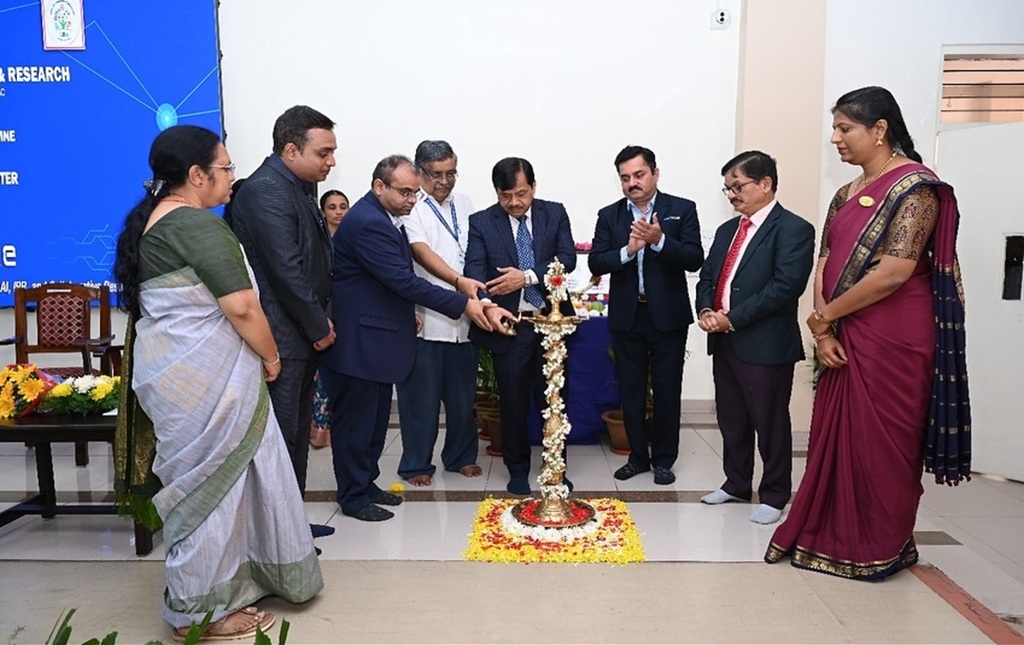
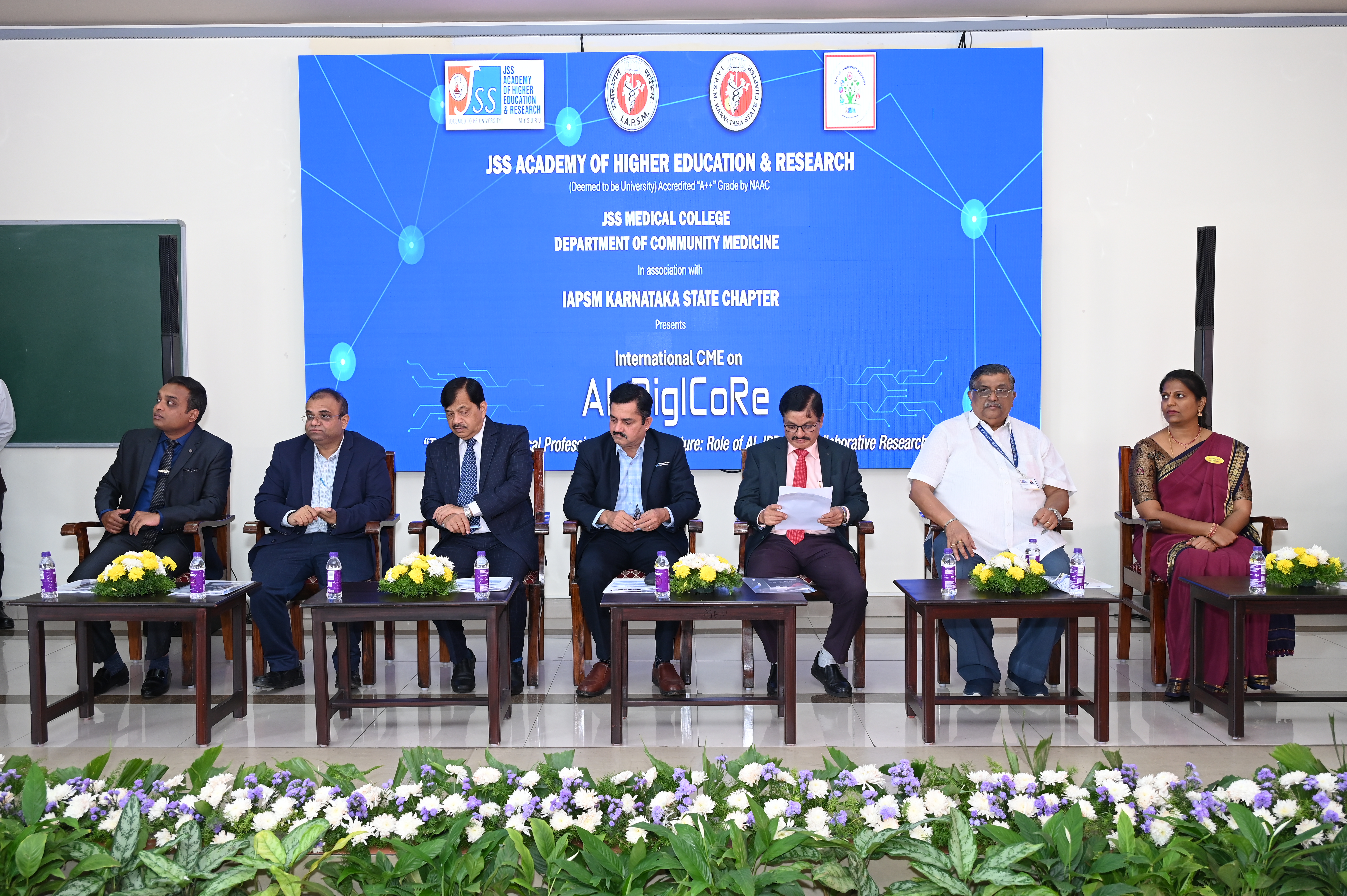
The AI-DigiCoRe 2025, a Continuing Medical Education program organised by the Department of Community Medicine, JSS Medical College, in association with the Indian Association of Preventive and Social Medicine (IAPSM) – Karnataka State Chapter.
The CME was held on 31st October 2025 in a hybrid format at JSS Medical College, Mysuru, with the theme “Transforming Medical Professionals for the Digital Future: Role of AI, IPR & Collaborative Research.”
This international academic event aimed to empower medical professionals, researchers, and students with essential knowledge and practical skills to integrate ,Artificial Intelligence, Digital Health, Intellectual Property Rights, and Collaborative Research,/b> into healthcare delivery and education. We received an overwhelming response with over 300 delegates participating from across India, both online and offline — representing diverse backgrounds including medicine, dentistry, pharmacy, nursing, and allied health sciences.
The day started with a session by ,Dr. Vikram Patil, Deputy Dean – Research (Clinical), JSS AHER, on “AI in Public Health Research.”
He provided fascinating insights into how AI tools are revolutionising disease surveillance, outbreak prediction, and policy planning, while also emphasising the importance of data quality and ethical governance.
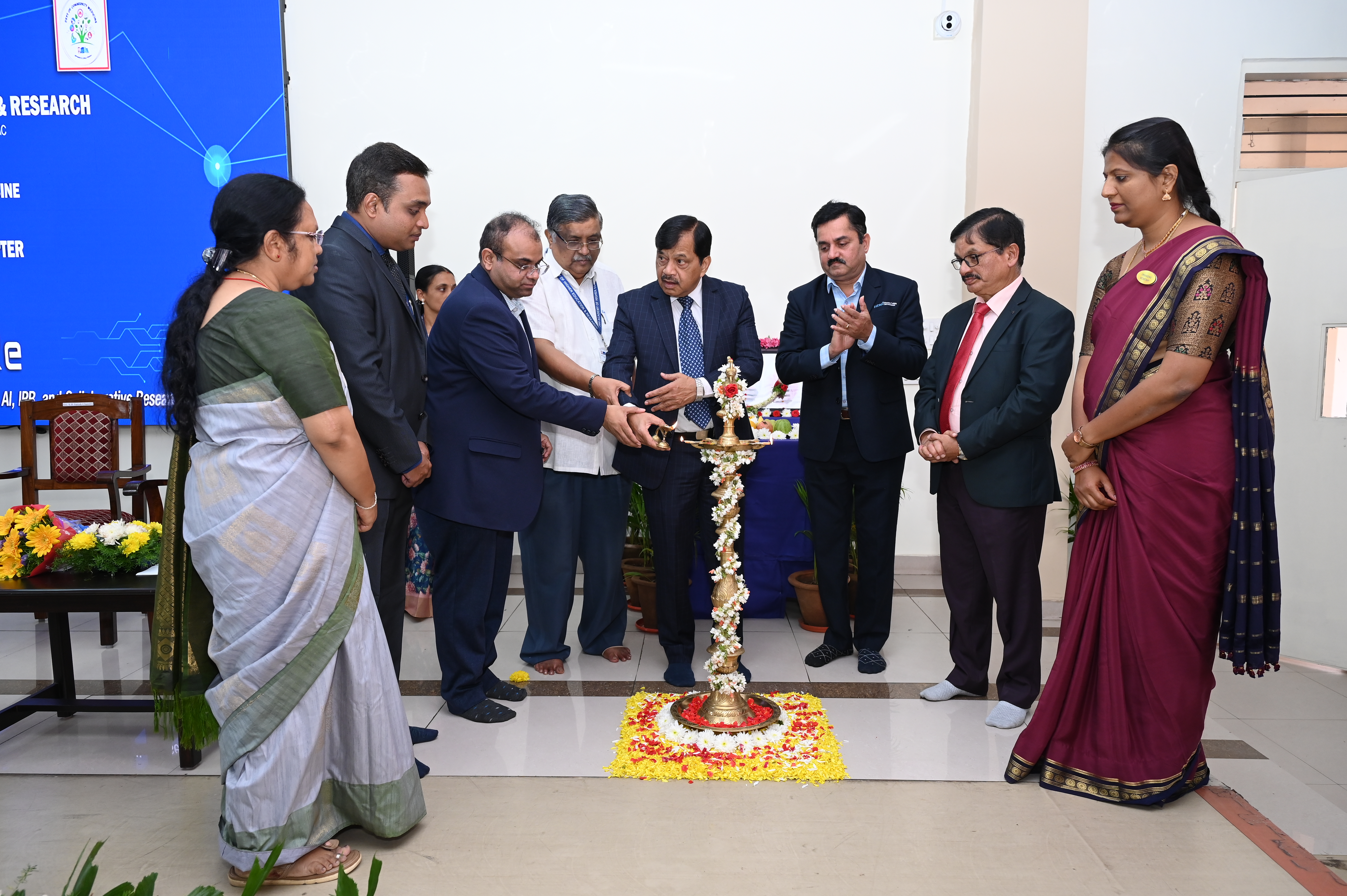
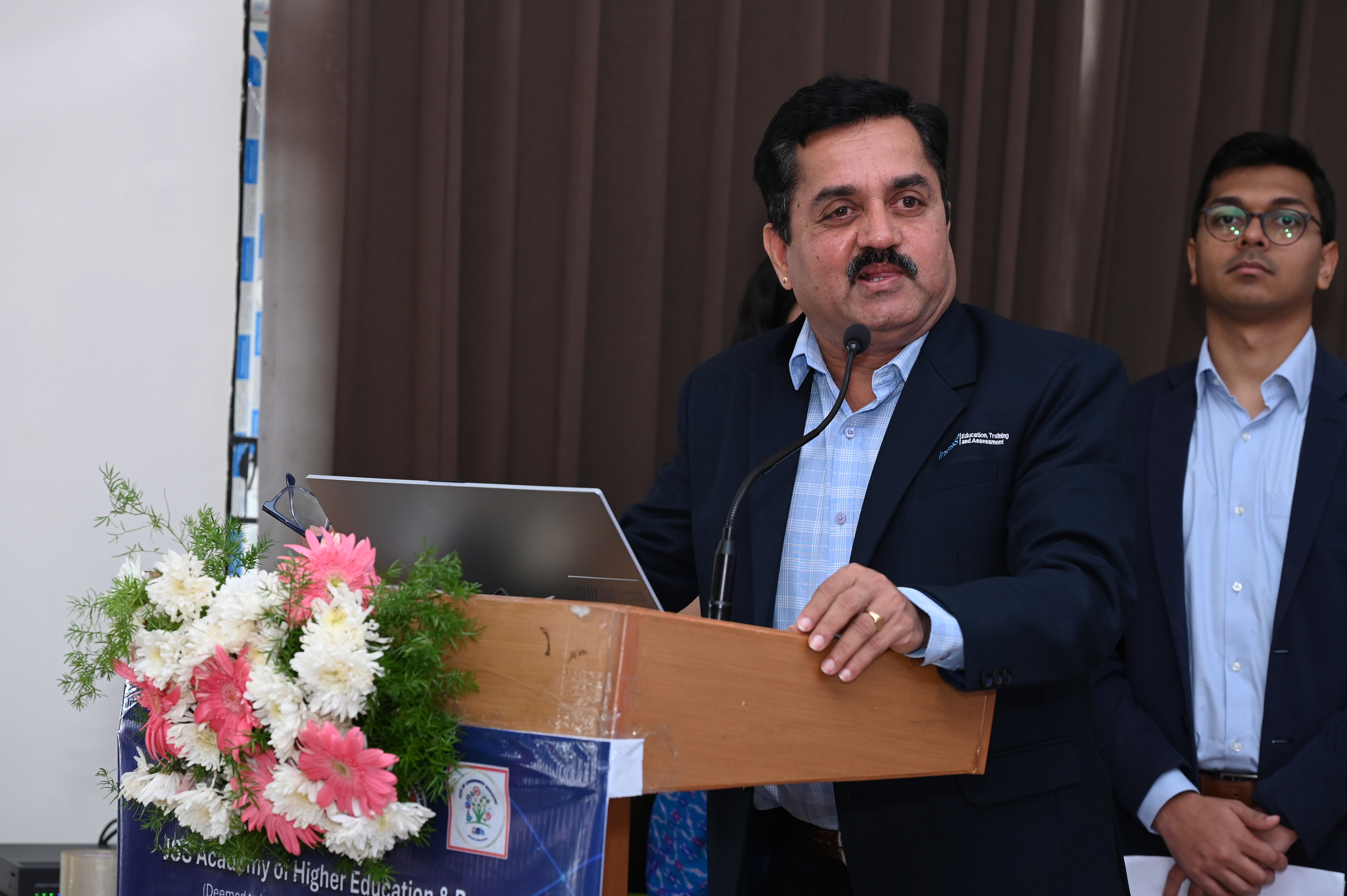
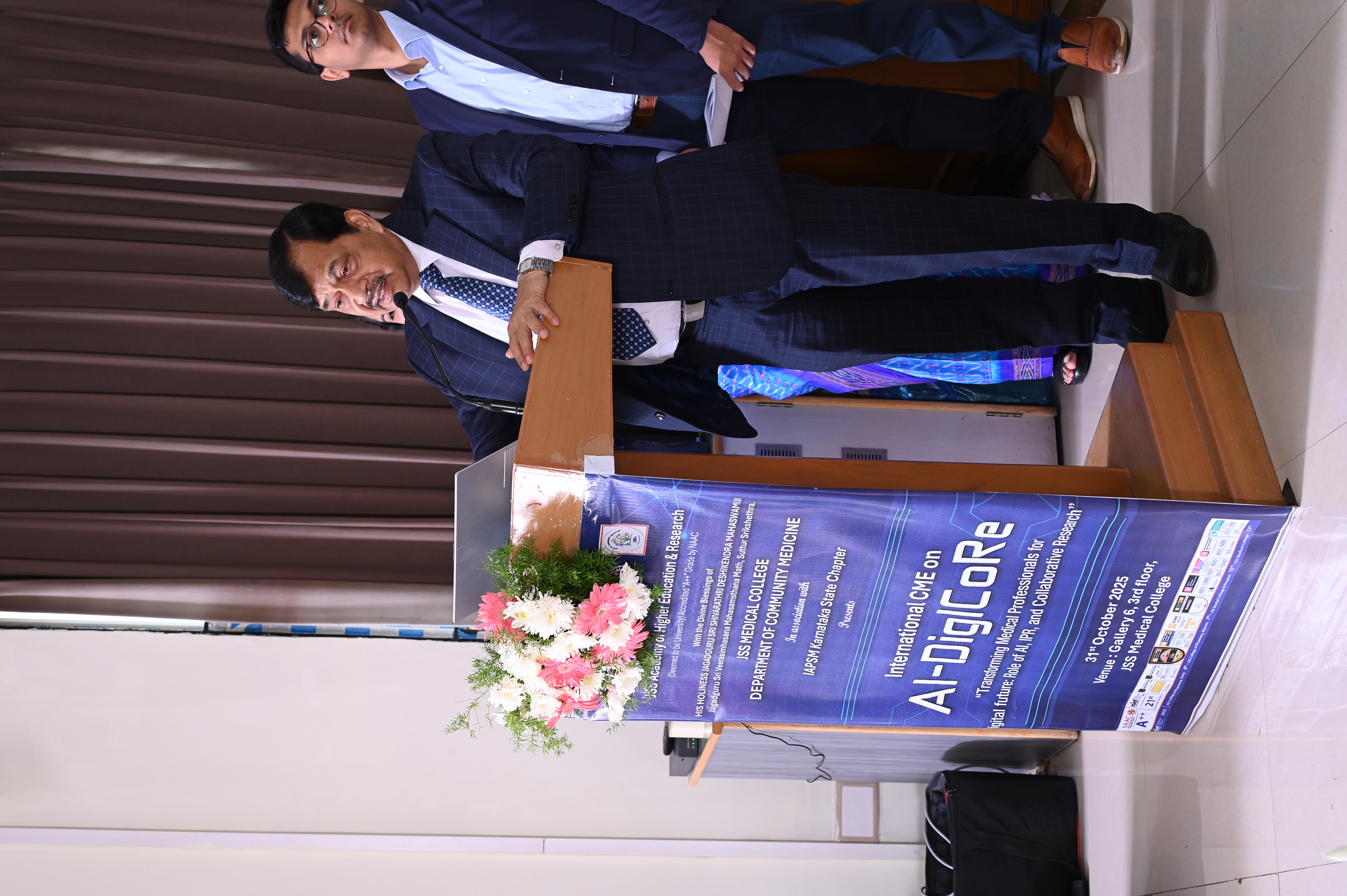
This was followed by the inauguration ceremony at 9:30 AM in Gallery-6, JSS Medical College. The Chief Guest for the occasion was Sri K. S. Sundar, Vice President and Senior Business Manager, Global Education Centre, Infosys, Mysuru. In his inaugural address, he emphasised how Artificial Intelligence is reshaping healthcare systems globally and commended the institution for organizing a CME that is both timely and relevant to the digital transformation in medicine.
The inauguration was presided over by Dr. H. Basavana Gowdappa, Hon’ble Vice Chancellor, JSS AHER. who highlighted how JSS AHER is already leveraging AI in healthcare research, diagnostics, and innovation.
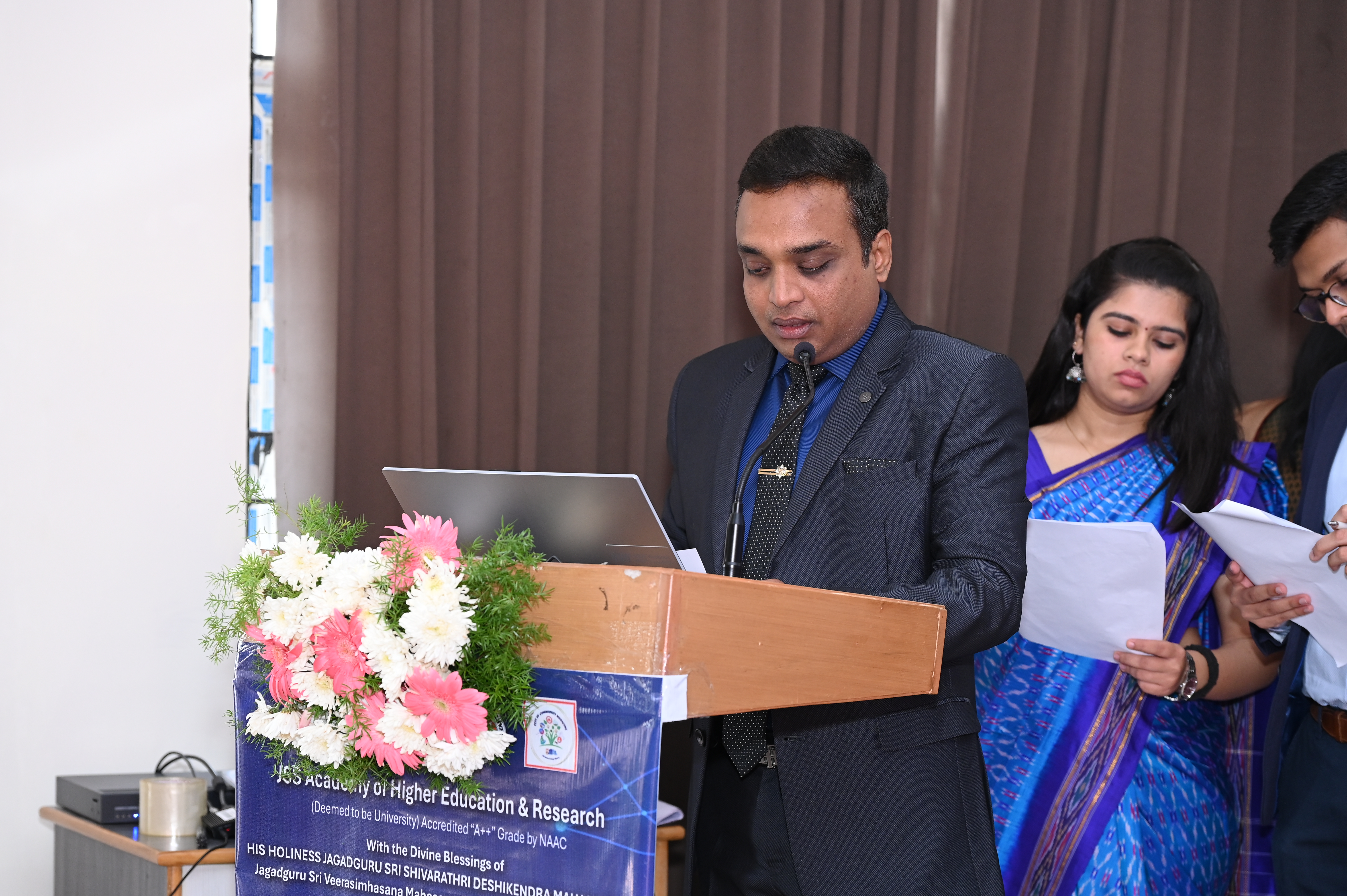
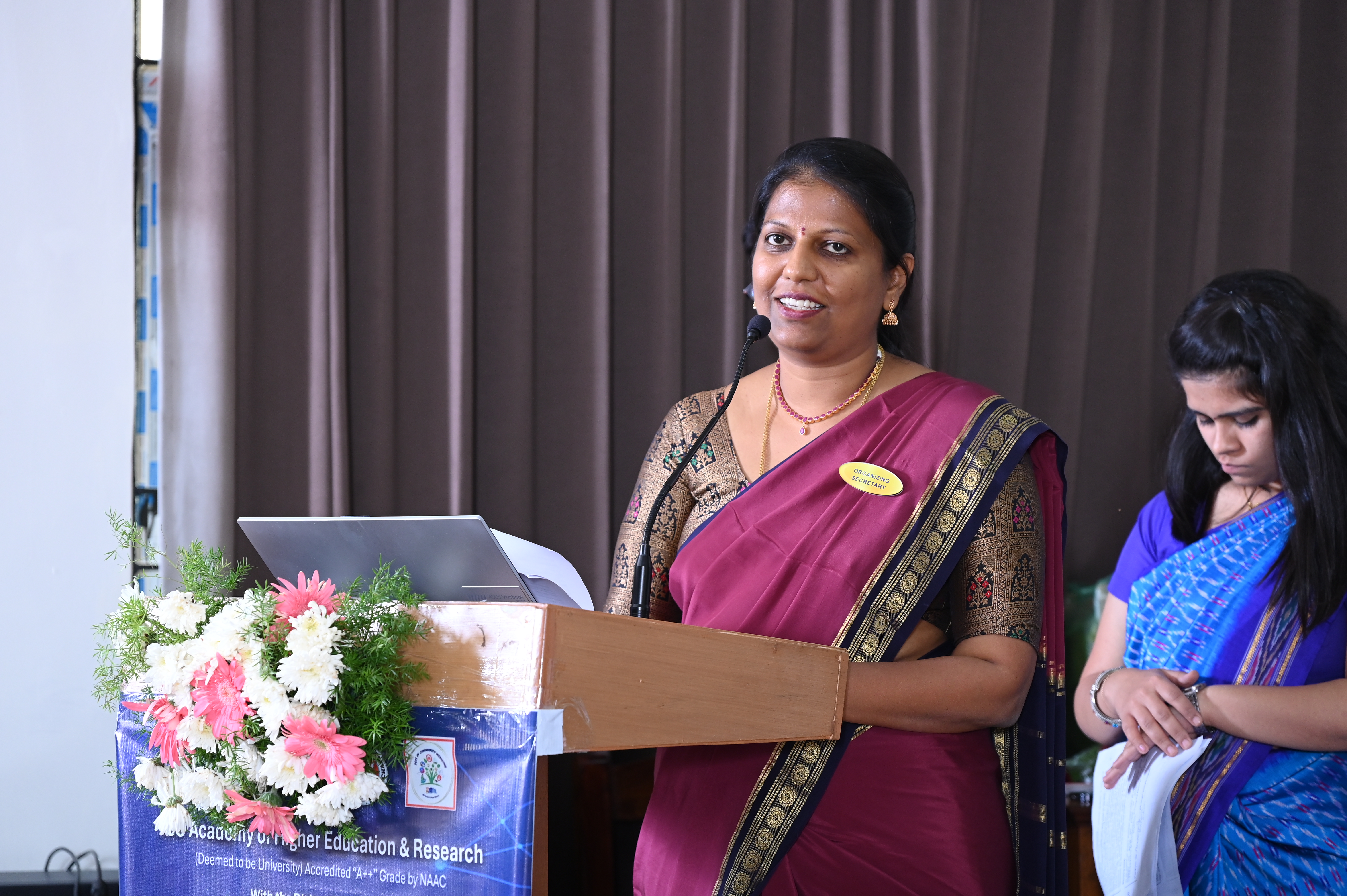
The Guests of Honour included Dr. Narayanappa D, Principal, JSS Medical College, and Dr. Sunil Kumar D, President of IAPSM–KSC. Dr. Narayanappa D, Principal, JSS Medical College, in his address, spoke about the importance of incorporating AI into academics and research and emphasized the need for inter-institutional collaboration. Dr. Sunil Kumar D, Organising Chairman, Head of the Department of Community Medicine, and Joint Secretary, IAPSM–Karnataka Chapter, welcomed the gathering. Shri S. R. Satishchandra, Administrative Officer, JSS Medical College, and Dr. Rashmi S, Organising Secretary and Senior Resident, Department of Community Medicine, were also present on the occasion.
In their inaugural addresses, the dignitaries emphasised the growing role of Artificial Intelligence in reshaping the future of medicine, from public health research and clinical care to education and innovation.
They highlighted the importance of preparing medical professionals to navigate the ethical and practical challenges of the digital era with competence and compassion.
Following the inauguration, Dr. Parthasarthi R, Associate Professor, Department of Community Medicine, KAPV Government Medical College, Trichy, delivered a session on “AI-assisted Research Proposal Writing and Questionnaire Generation.” He provided practical demonstrations of AI-based tools that aid in developing research questions, designing proposals, and streamlining literature reviews.
Our next speaker, Dr. Hebat Allah A. Amin, Associate Professor of Histopathology from Helwan University, Egypt, shared her international perspective through a talk titled “Artificial Intelligence in Clinical Decision-Making: What Every Doctor Needs to Know.” She explained how machine learning algorithms assist in diagnosis, pathology image analysis, and personalised treatment, while reminding clinicians to view AI as a tool that complements, not replaces, human judgment.
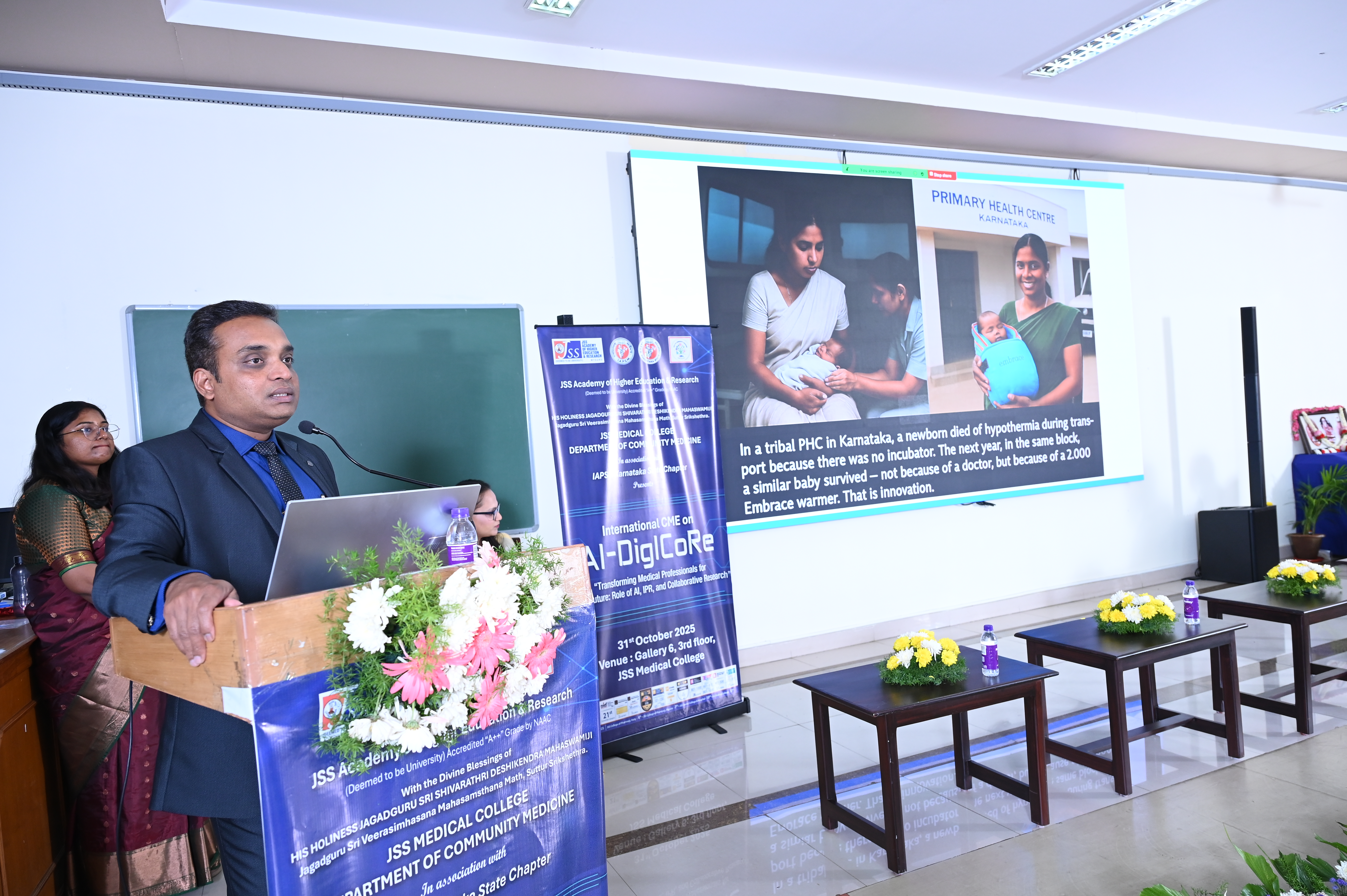
Post lunch was followed by an engaging session on “Bridging the Gap: Taking Healthcare Innovations from Bench to Business” by Dr. Sunil Kumar D, Professor and Head, Department of Community Medicine, JSS Medical College.
Dr. Sunil Kumar spoke about the need for innovation pipelines that translate academic research into scalable, real-world healthcare solutions, encouraging participants to think beyond research to entrepreneurship and impact.,/p>
Following this, the participants had a hands-on workshop, again led by Dr. Parthasarthi. This two-hour interactive session gave participants the opportunity to experiment with AI-based applications, guiding them step-by-step through research proposal creation, data visualization, and literature support.
Later in the afternoon, Dr. Victoria Nissi, Lecturer in Diabetes from the University of Leicester, UK, delivered an advanced session on “AI-powered Systematic Review and Meta-analysis.” She demonstrated how AI can drastically reduce the time needed to perform evidence synthesis and improve the accuracy of literature reviews. Her session beautifully bridged the gap between digital efficiency and research rigor.
The scientific deliberations covered a rich array of topics, integrating AI, research methodology, innovation, and ethics. The feedback from delegates was overwhelmingly positive, with many remarking that this was the first time they experienced such a practical and empowering use of AI in academic research.
Poster Presentations
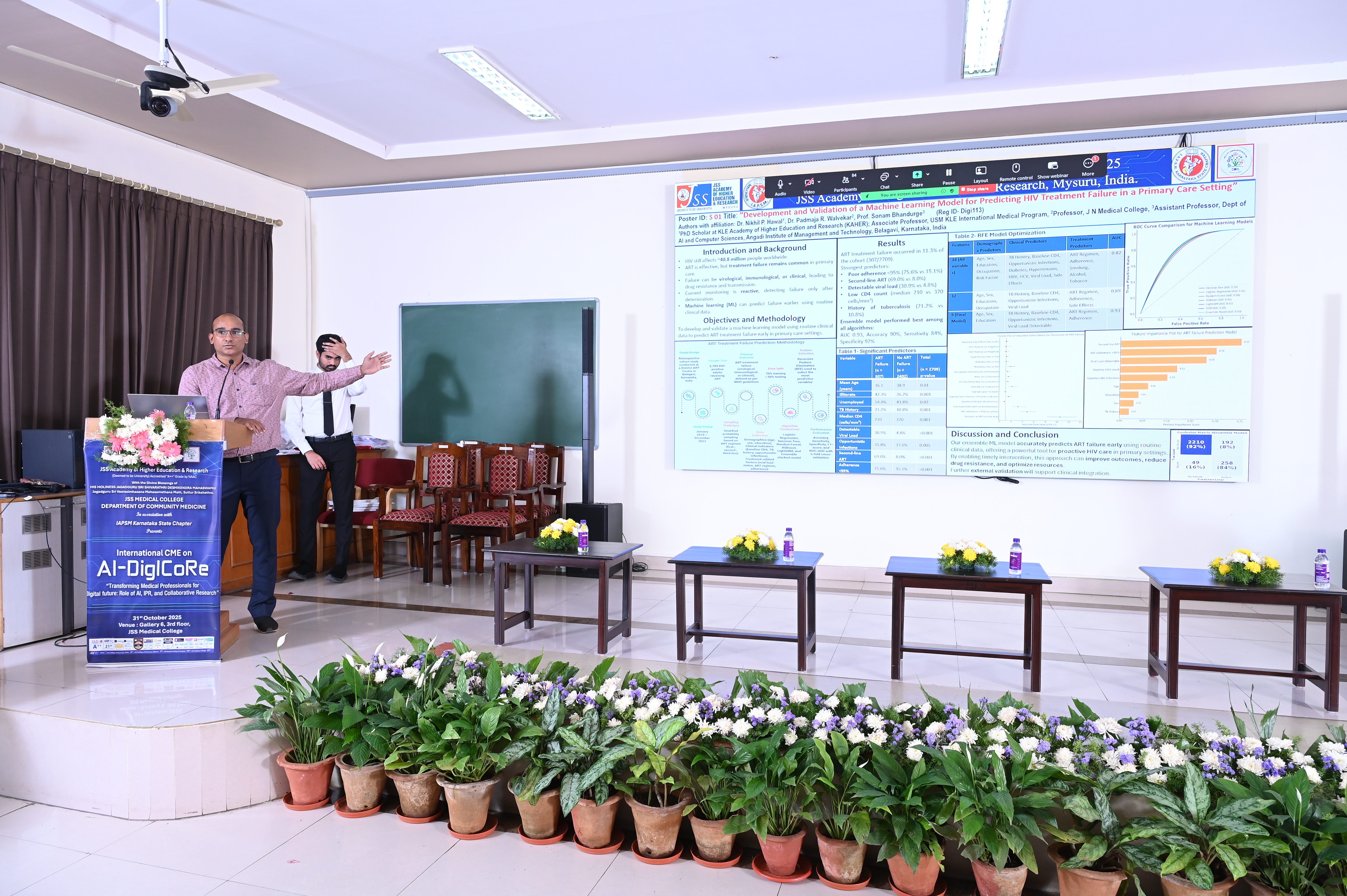
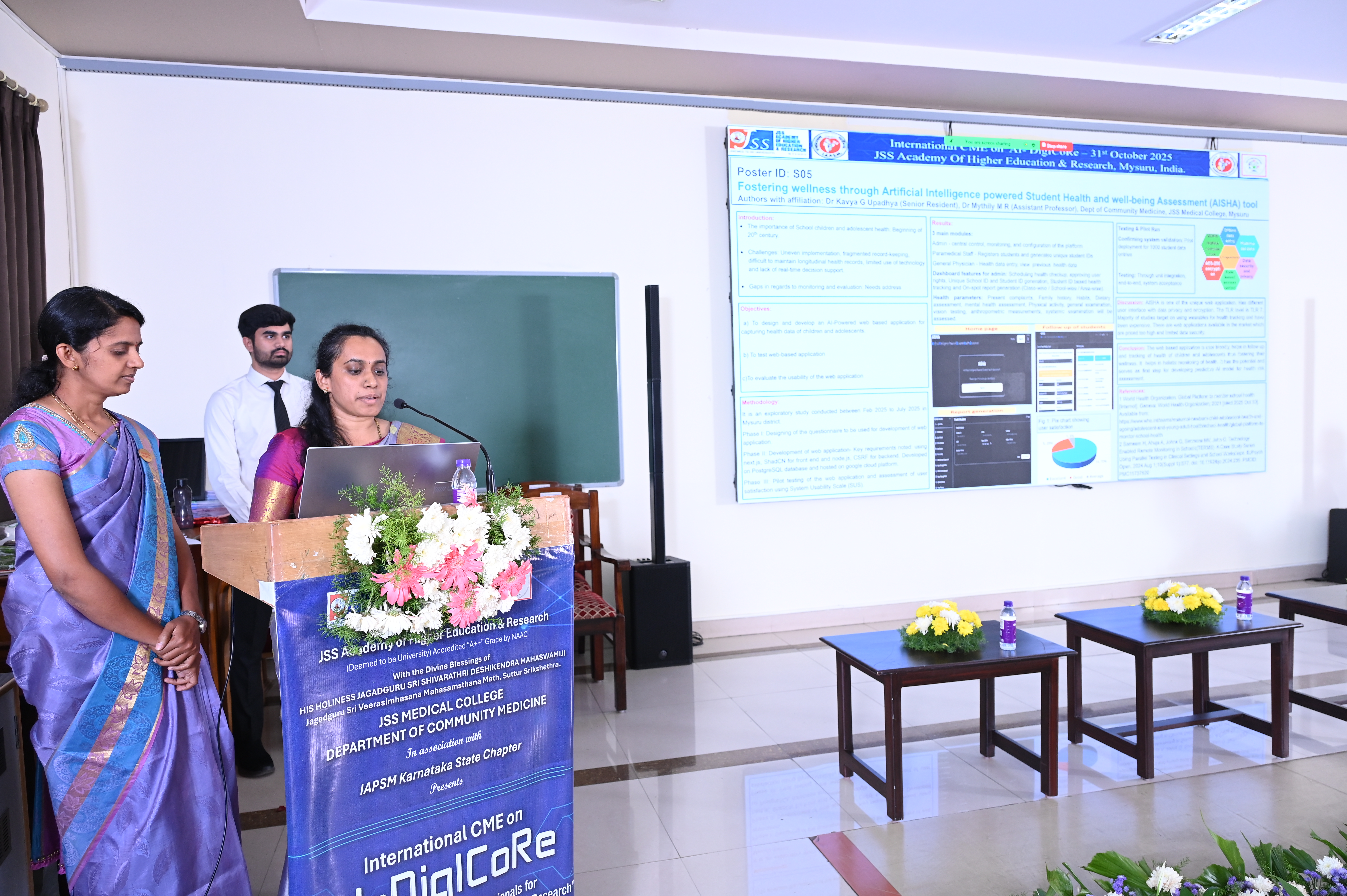
Parallel to these sessions, a Poster Presentation was held, featuring two categories — Scientific Posters and Think Tank Posters — focusing on innovative ideas, data-driven public health models, and technology integration in healthcare.
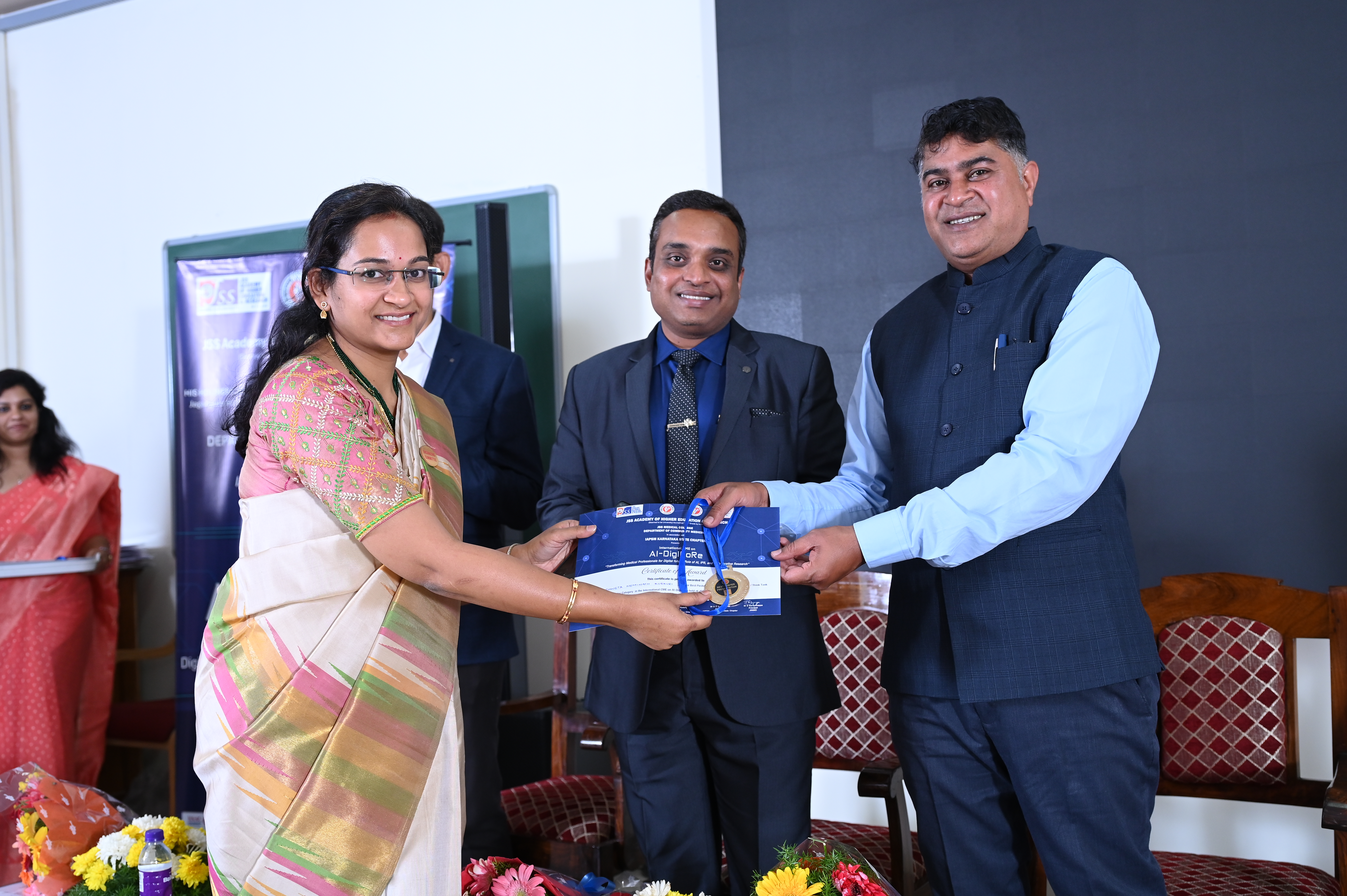
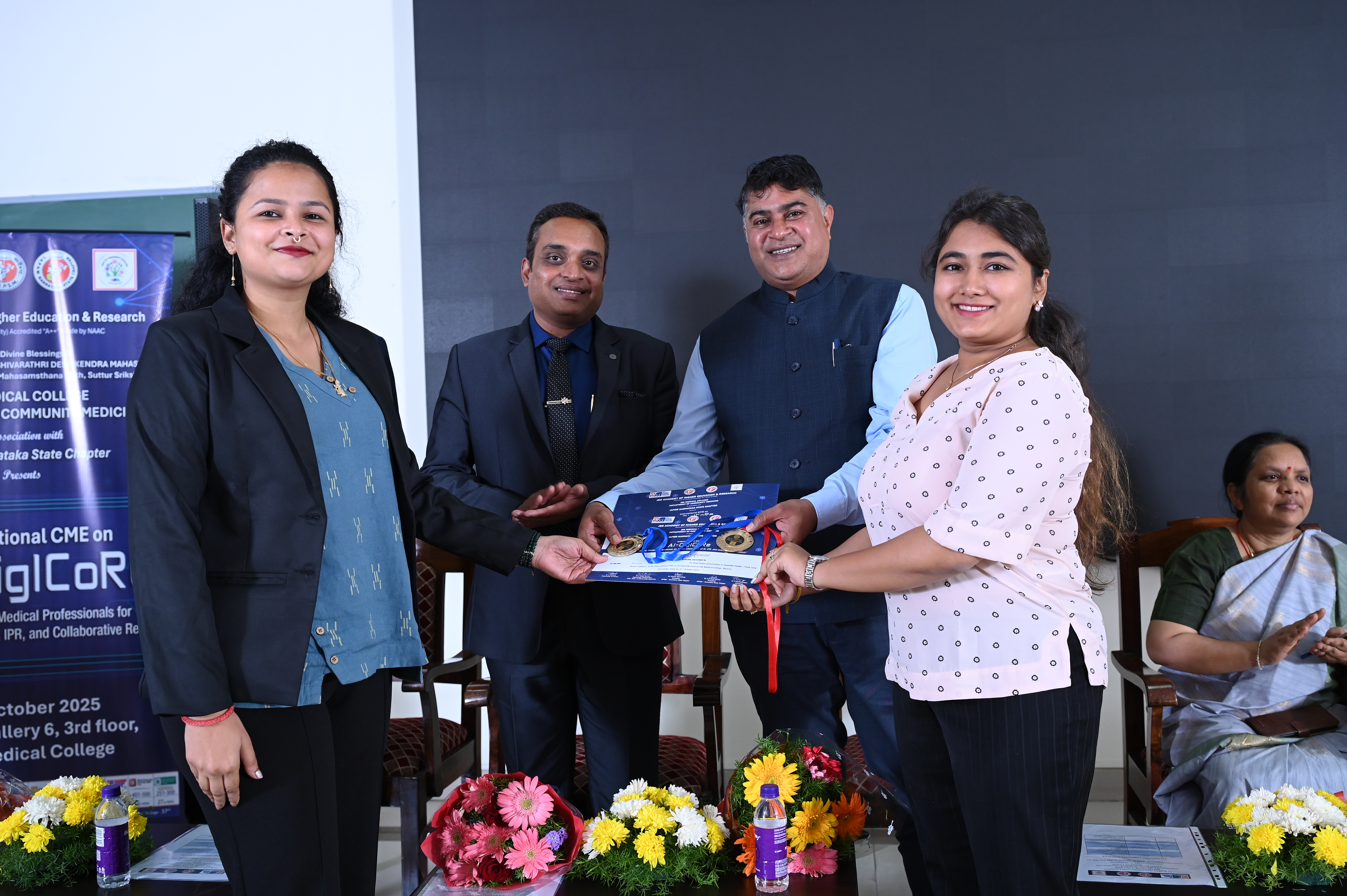
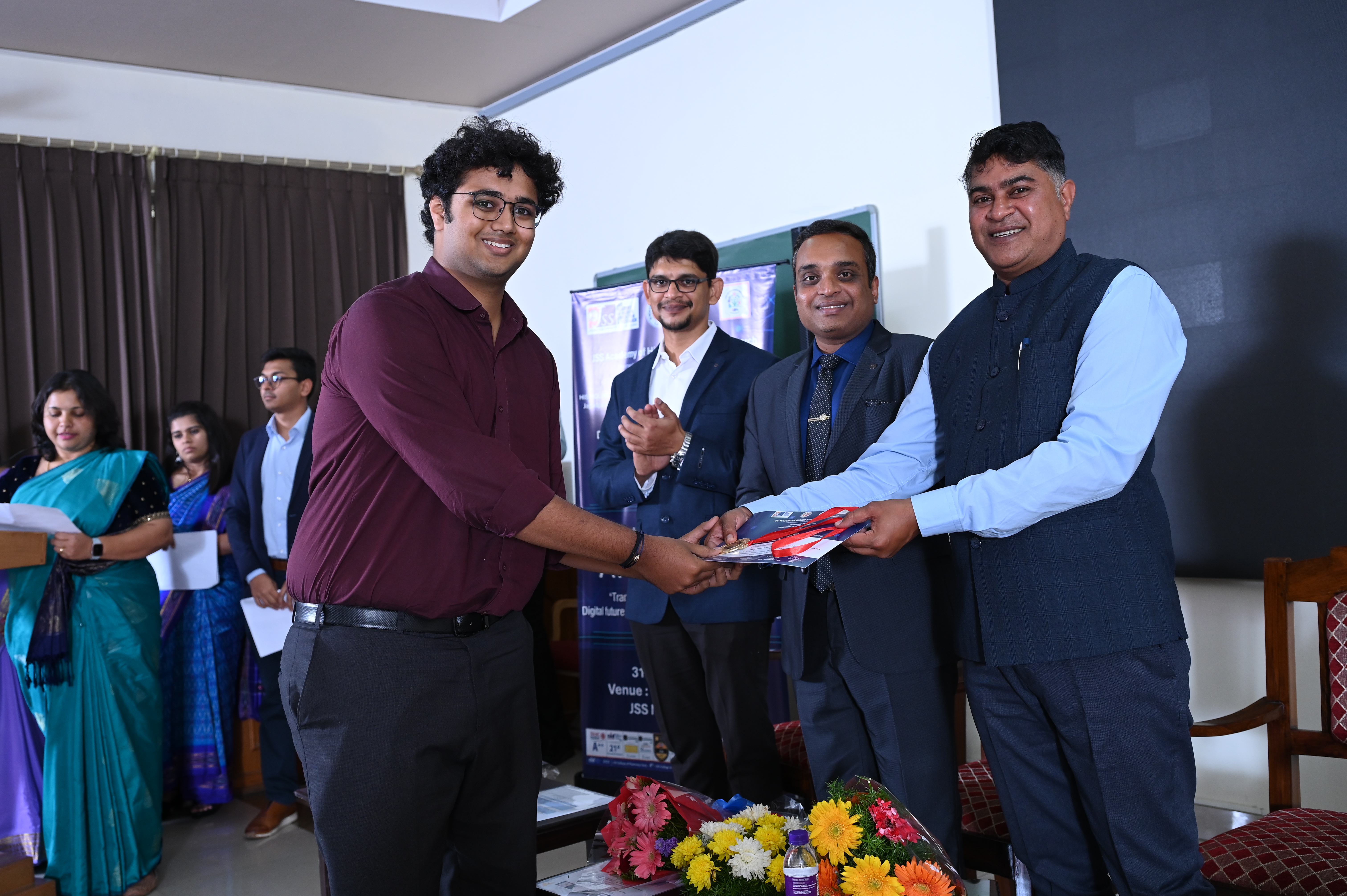
(p>A total of 26 delegates participated, presenting posters that reflected creativity, scientific rigour, and practical relevance. The best posters were recognised and awarded during the valedictory ceremony. ConclusionIn essence, AI-DigiCoRe 2025 successfully blended knowledge, innovation, and interaction, creating a platform for medical professionals to embrace Artificial Intelligence with responsibility and readiness.It reinforced JSS Medical College’s vision of nurturing healthcare professionals who are digitally competent, research-driven, and ethically grounded.
.JPG)
.JPG)